


Introduction
Here’s the thing, the alliance is less about rhetoric and more about hard infrastructure, rules, and markets. US and Japan Forge New Tech Alliance Focused on AI, Quantum, and 5G will pool research funding, align export controls, and run joint trials to make networks and chips more trustworthy. Expect activity on semiconductor security, national tech strategy, and cross-border data sharing. For companies and policy teams the pact raises immediate questions about access to markets, who builds networks, and who sets rules for artificial intelligence governance. Read on for the nuts and bolts, the likely winners, and the risks that come with tighter tech ties.
The Big Picture: Why the US and Japan Are Teaming Up Now
Here’s the short take, both governments see tech as a strategic asset and a vulnerability The alliance is a response to problems in the supply chain, a lack of skilled workers, and more competition between countries over microelectronics and advanced computing. The move also shows that science and technology diplomacy is getting stronger, with policy and labs working together to protect important tools and processes.
Let’s break it down, the pact builds buffers for manufacturing, access, and standards. It also acts as a signaling device to allies and industry. By coordinating grants and export guidance the partners aim to steer where investment goes, and how secure networks will be built, emphasizing high-tech supply chains and emerging technology standards.
Political and economic reasons behind the alliance
Governments want resilience and leverage in trade talks and defense planning. The pact guards critical inputs for AI training and quantum research, and it aligns policy to prevent sudden cutoffs of semiconductors and specialised gearExpect targeted support for cooperative research initiatives and incentives to move production to other places.
Shared worries about China’s increasing tech power
Both capitals are worried about market consolidation and tech transfer that could change the balance of power in the military and the economy. The partnership gives us a way to make export regulations more consistent and shape markets for sensitive parts.
What this really means is tighter rules on where advanced chips and quantum gear can go, and clearer penalties for evasion.
What the Agreement Actually Covers
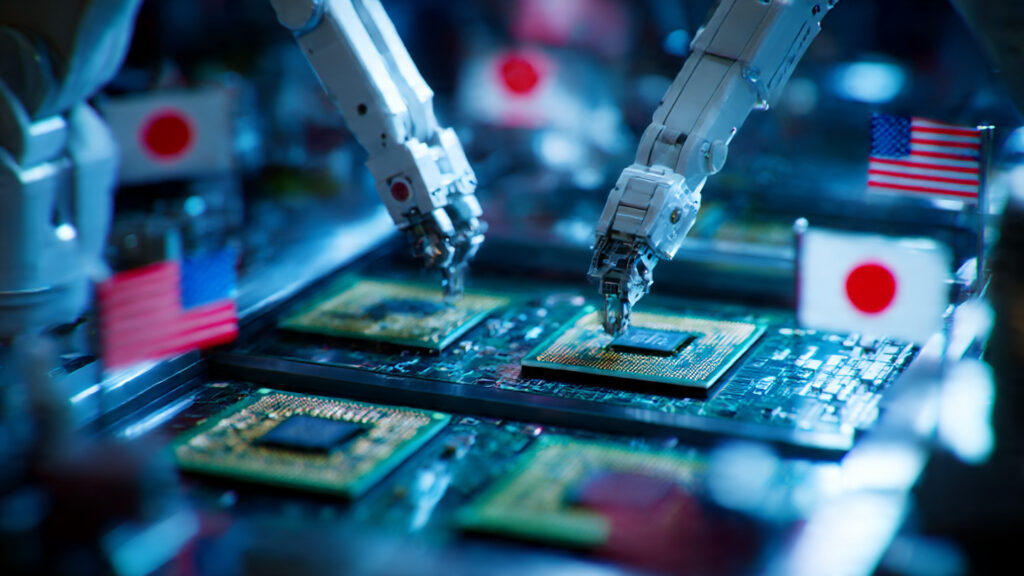
Start with what’s public and obvious, the pact names three pillars, AI, quantum, and 5G. It commits to joint funding, shared testbeds, and rule-making forums. Expect programs that fund AI research collaboration, national labs linking compute resources, and regulatory pilots for responsible model deployment.
Next, they will write technical specs and run trials to harmonize how networks and cryptography work. That reduces friction for companies that build gear across borders, and it increases the chance that global 5G standards reflect allied security priorities. The pact acts like a map, it shows where to invest and which rules will matter.
Collaboration in artificial intelligence research
This will include shared datasets, cross-border compute access, and cooperative model safety programs. The goal is to make trustworthy AI better for everyone while stopping people from using it for bad things. It’s also to provide standards for AI governance that others can follow.
Progress in quantum computing and online safety
Partners will put money into fixing mistakes, hybrid systems, and quantum communication networks that are hard to listen in on.
They will also push quantum resistant cryptography across critical infrastructure, to keep financial and defense systems safe. Research hubs in both countries will feed commercial pilots.
Setting up common rules for 5G and future networks

Expect coordinated field trials, guidelines for buying things that are in line with each other, and supply chains that have been checked out. The alliance will look for basic levels of security and interoperability so that networks can work across borders and stop people from messing with them.Standards work here raises the bar for next-generation connectivity and reduces vendor lock in.
Reasons Related to the Article

Here’s what matters strategically, both governments want faster commercialization and safer infrastructure. The alliance lowers duplication in research spending and creates joint incentives for firms to scale. That will likely speed up manufacturing programs tied to semiconductor security and spur shared investment in cloud and edge compute.
What this really means for industry is clearer demand signals, and new rules to follow when selling gear internationally. Companies who get involved early have more power and access to the market, while those that wait face more technological and legal problems. The agreement also opens up ways for countries to cooperate together on technology that other countries can choose to follow or disagree with.
Both countries will profit strategically.
The US gives scale and venture finance, while Japan brings precise manufacturing and materials science. They can work together to support advanced supply lines and make it tougher for enemies to cut off one partner. This backs up a national tech strategy that focuses on being strong and getting ahead.
Effect on global tech competition and new ideas
Expect standards leadership to become a way to compete. The person who makes the rules gets to be the first to offer services and exports. The partnership might change where entrepreneurs set up labs and where money flows, changing the landscape of innovation hotspots and who runs platform services.
How this could reshape international tech policies
The pact may push multilateral bodies to adopt stricter supply chain checks and coordinated R D funding. It may also spur regional blocs to create counter offers, or to seek carve outs for developing nations. Policy alignment here will matter for trade, data flows, and geopolitical bargaining.
The Ripple Effect Across the World

For Europe the alliance is a second signal that standards will reflect allied priorities. For India and Southeast Asia it creates choices about where to align for investment and training. Countries will look at offers for technology transfer and training workers that are linked to investments in digital infrastructure.
There are both chances and risks for developing economies. They can get new money and knowledge, but they might also have to deal with stricter export laws and increased prices for important tools.
Capacity building will be key, and the alliance could launch initiatives to share training, or create regional labs to avoid a two-tier world.
What this means for Europe, India, and Southeast Asia
Allies will adjust procurement and partnerships, seeking to stay compatible with the new standards. Firms in those regions will need to choose vendor and policy alignments carefully, since those decisions affect market access and long term R D ties.
Potential challenges for developing economies
Higher entry costs, export restrictions, and talent competition could block smaller players. Yet there are pathways, such as joint grants, licensing agreements, and regional tech hubs that spread capability without forcing full reliance on one bloc.
What This Really Means for the Future of Tech
This alliance points to a future with clearer rules and more predictable markets. It pushes companies to comply early, and it nudges standards bodies toward security first. The pact could raise compliance costs, but it may also create safer systems and faster routes to scalable products.
A step toward trust does not mean trust is automatic. The partners must maintain transparency, independent audits, and performance benchmarks. If they do that, they could build a template for responsible cooperation that balances innovation, security, and commerce.
A step toward more secure, ethical, and balanced innovation
If governance frameworks include measurable milestones, then academic and commercial actors will have clearer targets. This can improve product quality, speed deployment, and limit harmful misuse.
Closing Thoughts: Cooperation or Competition Ahead?
It comes down to choices. The pact will either standardize a safer path for tech, or it will harden blocs that compete aggressively. Watch procurement rules, export controls, and who funds the labs. Those three signals tell you how open or closed the new ecosystem will be.
The immediate action for firms is simple, align with the new rules, assess supply chain exposure, and join collaborative pilots where possible. For policymakers the task is harder, they must balance security with access and make sure developing partners do not get left behind.
| Quick Facts Table |
| Topic What to watch Example outcome AI research collaboration shared datasets, model safety labs safer models, joint IP rules quantum computing alliance error correction, testbeds secure comms prototypes global 5G standards field trials, vetted vendors interoperable, resilient networks semiconductor security export rules, reshoring incentives diversified supply chains |
Case Study Snapshot
Japan’s national projects link telecom firms to quantum testbeds to blend AI and quantum compute in industrial settings. The result is faster prototype cycles and clearer commercialization paths. That model shows how joint research initiative and digital infrastructure investments produce both economic returns and sovereign capability.
| FAQs |
| 1. What is the technological partnership between the US and Japan? The main goals of the alliance are to work together on AI research, quantum computing, and setting global 5G standards. These aims will help with research, keep supply chains safe, and make rules that everyone can obey. |
| 2. What will the deal do to the supply of chips? Expect coordinated export policies and incentives to encourage new types of production. This will make semiconductors safer, but it will be tougher for suppliers to meet the restrictions. |
| 3. Will this change the choices for 5G devices? Yes, criteria for buying items and testing will favor vendors who meet agreed-upon security standards for next-generation connectivity. |
| 4. Are tiny countries allowed to join research programs? The agreement may allow for partnerships and training at the project level, but the rules for admission will depend on export and IP protections. |
| 5. When will the projects begin? Some pilots and research funds are already being planned, but big changes in manufacturing will take years. |















Leave a Reply