
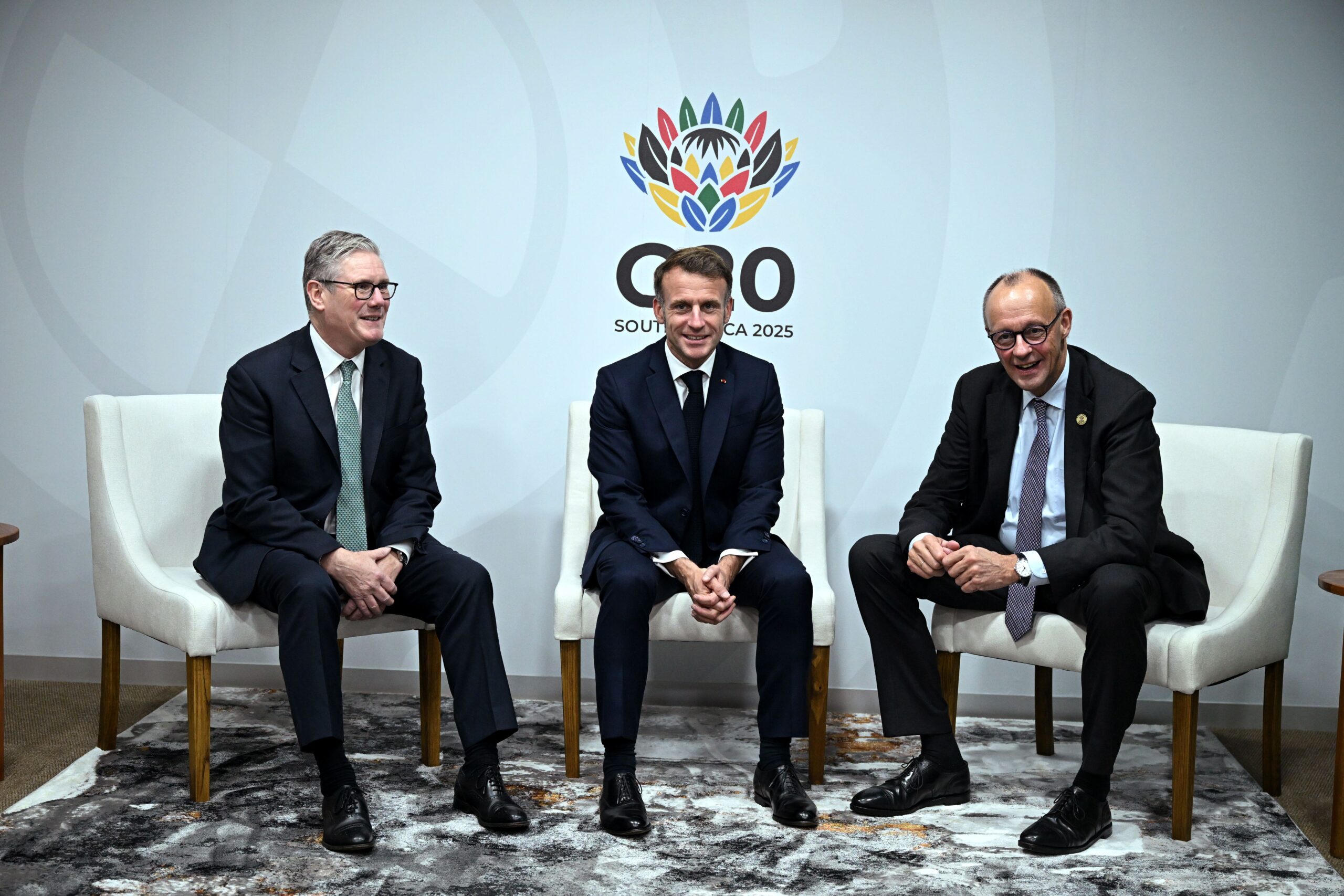
Here is the thing. The war in Ukraine has reached a point where every decision feels heavy, and the latest White House proposal has pushed global leaders into uncomfortable territory. As they gather at the G20 summit in South Africa, the pressure to find a workable path forward is real, and the stakes are higher than they have been in months.
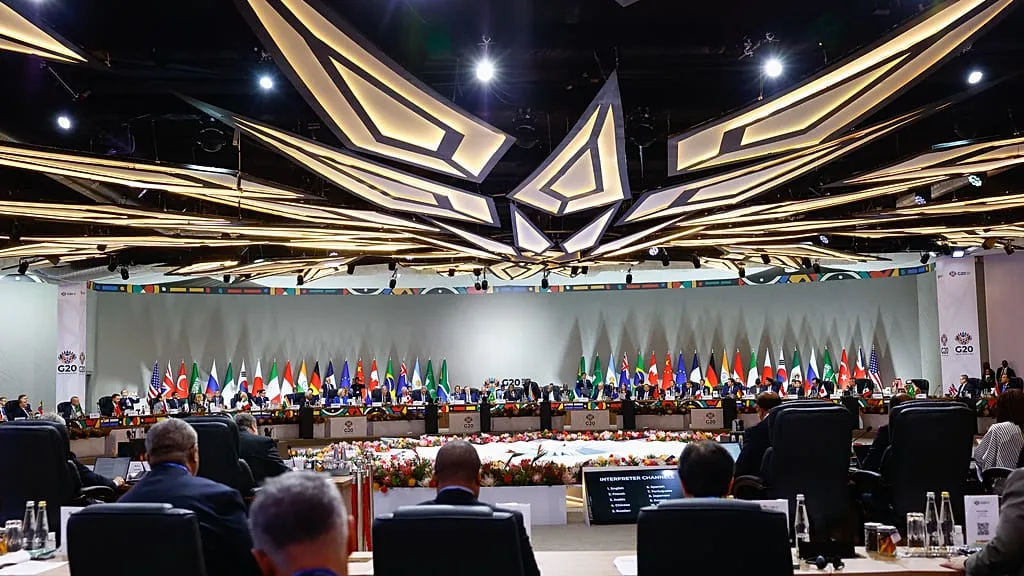
Ukraine Peace Plan Faces Resistance From Kyiv and Europe
The leaked draft of the Ukraine Peace Plan has caused a wave of anxiety across Kyiv and European capitals. The big issue is simple. The plan includes concessions Ukraine had already rejected, including giving up eastern regions it currently controls. That alone sets off alarm bells.
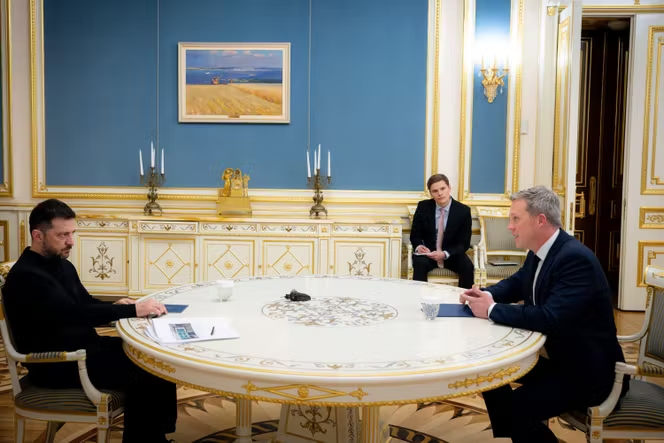
President Volodymyr Zelensky has been trying to balance two difficult realities. On one side, Ukraine wants a settlement that protects its sovereignty. On the other, the country cannot afford to lose support from key partners, especially Washington. His public response has been careful, even diplomatic, but he did admit Ukraine may soon have to choose between maintaining its dignity and keeping its strongest ally.
G20 Leaders Try To Strengthen the White House Ukraine Peace Plan
During phone calls with the leaders of the UK, France and Germany, Zelensky stressed that Ukraine will never be an obstacle to peace. At the same time, he made it clear that Kyiv will defend its legitimate interests.
UK Prime Minister Sir Keir Starmer said allies at the G20 would try to strengthen the current proposal instead of accepting it as is. His view is that peace has to be just, not merely convenient. Or in simpler words, Ukraine should not be strong armed into giving up what Russia has no legal claim over.
The concern in Europe is sharp. Several officials have warned that the current draft tilts heavily in Moscow’s direction. EU foreign policy chief Kaja Kallas called it a dangerous moment, insisting that Russia cannot be rewarded for an invasion.
Ukraine Peace Plan Highlights Washington’s New Calculations
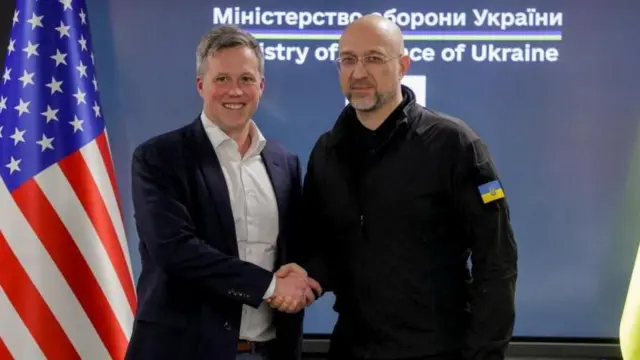
Washington has shifted its tone. Senior Pentagon officials travelled to Kyiv earlier this week to push the proposal forward. The United States wants a deal, and it wants it soon.
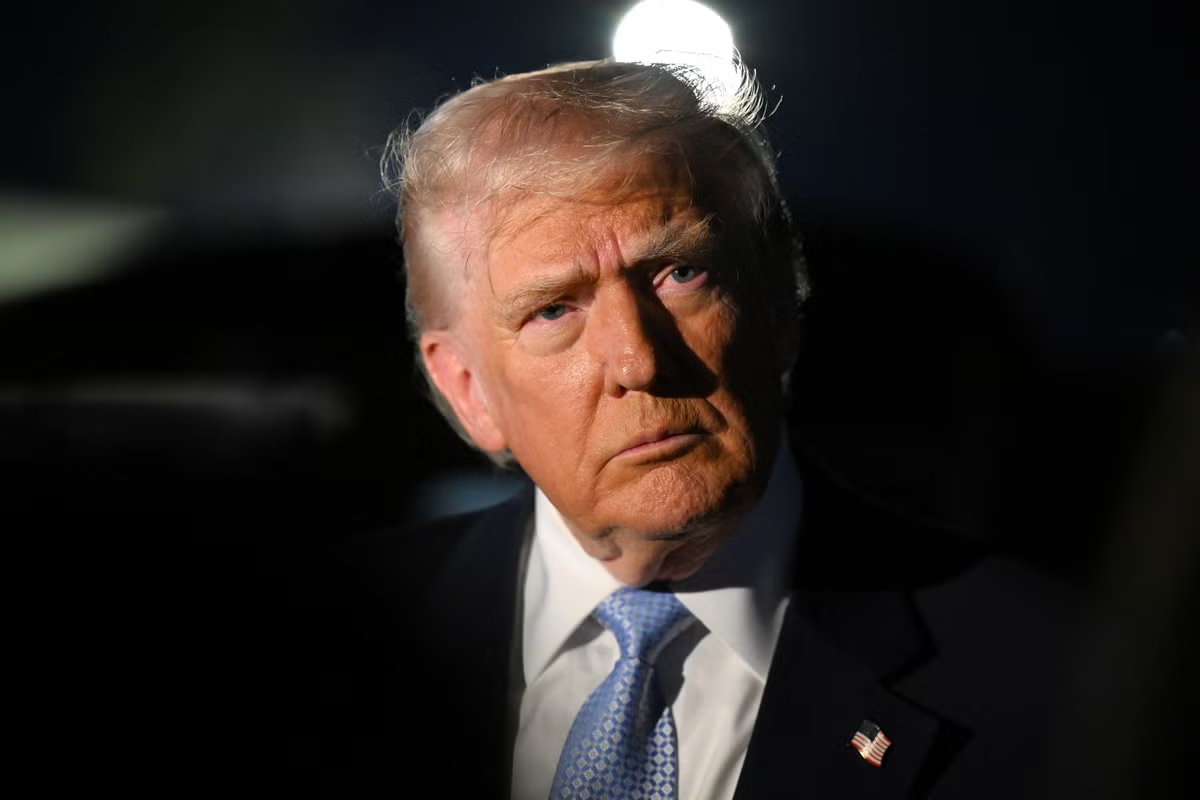
President Donald Trump has been blunt. He warned that Ukraine could lose more territory if it delays, and he set a deadline, Thanksgiving Day, for Kyiv to agree. Whether that deadline carries real weight or is meant as political pressure is still unclear.
US Vice President JD Vance added even more turbulence by saying it is a fantasy to believe more money or weapons will deliver a Ukrainian victory. That comment sent shockwaves through Kyiv, which depends on American weapons, intelligence and political backing.
What the Ukraine Peace Plan Proposes
The leaked draft includes several major points that Ukraine has long rejected. These include:
• Withdrawing Ukrainian troops from parts of the Donetsk region
• Accepting Russian control of Donetsk, Luhansk and Crimea
• Reducing the size of the Ukrainian military
• Agreeing never to join NATO
In return, Ukraine would receive security guarantees. The problem is that no one knows what those guarantees really look like.
The plan also suggests Russia would be reintegrated into the global economy and even rejoin the G7, turning it back into the G8. For many European leaders, that feels like rewarding aggression.
Ukraine Caught Between Pressure and Principles
Zelensky has been walking a political tightrope. His public reaction has been measured, even soft spoken, but his message on Friday was clear. Ukraine is facing one of the most difficult moments in its modern history. He warned that Kyiv will face a lot of pressure from different sides to weaken or divide the country.
Still, he insisted Ukraine will work calmly with the United States and partners to offer alternative ideas. Kyiv is not rejecting peace. It is rejecting terms that force it to surrender sovereignty.
The Ukraine Peace Plan and Russia’s Early Reaction
Russia has played its usual game. President Vladimir Putin said the proposal could be the basis for a settlement. But then he added that detailed talks had not happened and that Russia is prepared both to negotiate and to keep fighting. It is a familiar line, and it does not signal compromise.
Russian forces continue their slow, grinding advance across parts of the front line, absorbing heavy losses but still pushing forward. That battlefield pressure adds another layer of urgency to the political debate.
What This Really Means for the Future
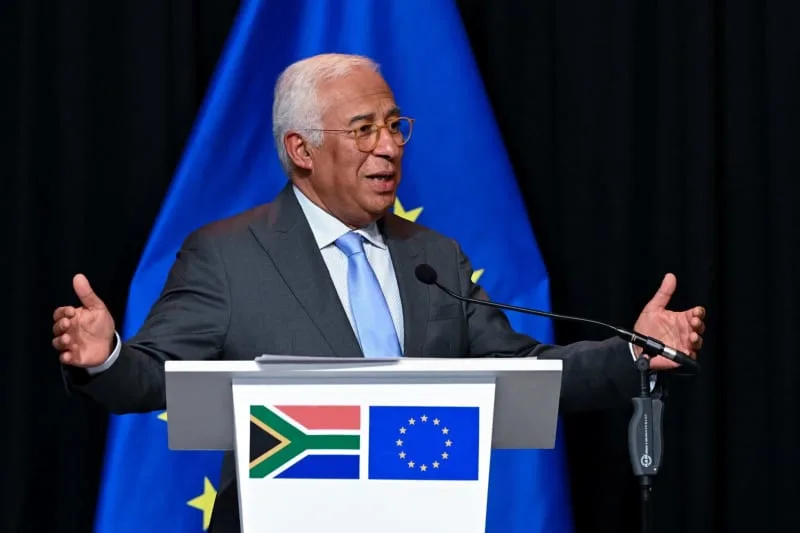
The Ukraine Peace Plan talks at the G20 are not just another meeting. They are a test of how the West defines peace, justice and loyalty. Kyiv wants a settlement that respects its borders. Washington wants a deal before the war drags deeper into 2025. Europe wants to avoid a scenario where Ukraine is forced into concessions that undermine global security.
The outcome of these talks will shape the next stage of the war, the political balance inside the G20 and Ukraine’s relationship with its most important partners.



Leave a Reply