
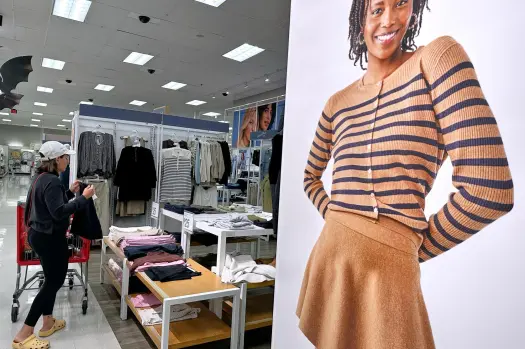
Here’s the thing. When Americans start feeling uneasy about the economy, that mood spreads fast. The newest numbers from the Conference Board show U.S consumer confidence dropping to 88.7 in November, down from 95.5 in October, and that is not a tiny slip. It is a clear sign that people are pulling back, second-guessing big purchases, and bracing for whatever comes next. Let’s break down what is driving this shift and why it matters more than it might seem at first glance.

U.S. Consumer Confidence Crash and Jobs Anxiety [trending today]
Most people judge the economy based on one thing, their job. If they feel their job is safe, they spend. If they sense trouble coming, they freeze. Right now, worry about job stability is climbing. Businesses are slowing down hiring, some industries are cutting back, and workers are reading the room.
It is not that mass layoffs are happening everywhere, but the fear is creeping in. Workers see slower growth, companies delaying new projects, and managers being vague about next quarter. That silence speaks loudly. When households feel that pressure building, they naturally pull back on spending, especially on things they can live without.
U.S. Consumer Confidence Crash linked to Inflation Fatigue [breaking news]
Inflation has technically cooled compared to the peaks of previous years, but people are still paying more for almost everything than they used to. Grocery receipts are higher, rent is higher, utilities are higher, and the small everyday things that used to be cheap now feel like small luxuries. What this really means is that people do not feel relief, even if the official inflation data looks better.
Consumers do not trust that prices will come down anytime soon. They feel squeezed, and when people feel squeezed, confidence drops. It is simple. Nobody celebrates going from “terrible” to “slightly less terrible.”
U.S. Consumer Confidence Crash and Holiday Spending Risks [US trending]
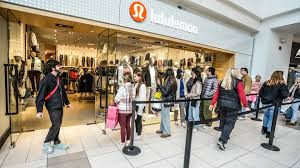
Normally, retailers count on November and December to save their entire year. Black Friday, Cyber Monday, Christmas shopping, end-of-year discounts — this stretch is the Super Bowl of American retail. But this year, the mood is off. Early data already shows slower spending, shorter wish lists, and shoppers prioritizing essentials.
Here is what businesses are worried about:
- People are hunting harder for discounts instead of buying at full price.
- More shoppers are switching to cheaper brands.
- Expensive items like electronics, furniture, and high-end accessories are moving slower.
- Households are using credit more carefully because credit card interest rates are brutal.
If this caution lasts through December, the ripple effect will hit not just stores but suppliers, shipping companies, and seasonal workers too.
U.S. Consumer Confidence Crash puts Pressure on the Federal Reserve [market trending]
Any time confidence sinks this much, the Federal Reserve starts getting more attention than usual. Investors are now talking about a possible interest rate cut sooner than expected. You might think that lower rates sound great, but here is the twist. Rate cuts usually happen when something is breaking or about to break. In other words, it is not always a comforting signal.
Markets are jittery because they cannot tell whether the Fed will act quickly to support slowing growth, or wait and risk an even deeper confidence drop. The uncertainty alone is enough to send some investors into defensive mode.
U.S. Consumer Confidence Crash shows Americans losing trust in the economy [viral news]
This drop is not coming out of nowhere. People have been uneasy for months. High costs, political tension, and constant global instability create a low-level background stress that adds up. Every headline about geopolitical fights, wars, oil prices, or stock-market swings pushes confidence down a little more.
When Americans feel unsure about the future, spending slows. When spending slows, businesses slow. When businesses slow, workers worry more. It is a cycle, and right now it is spinning in the wrong direction.
U.S. Consumer Confidence Crash: What Happens Next [top trending in US]
Here is the bottom line. If confidence keeps sliding, the economy could lose momentum faster than expected. That does not mean a recession is guaranteed, but it does mean the risk is rising. Retailers will feel it first, followed by services, travel, and local businesses.
For now, the smartest takeaway is this. Americans are cautious, tired of high prices, and uneasy about their jobs. Until something genuinely shifts in their daily reality, confidence will stay low and spending will stay tight.








Leave a Reply