
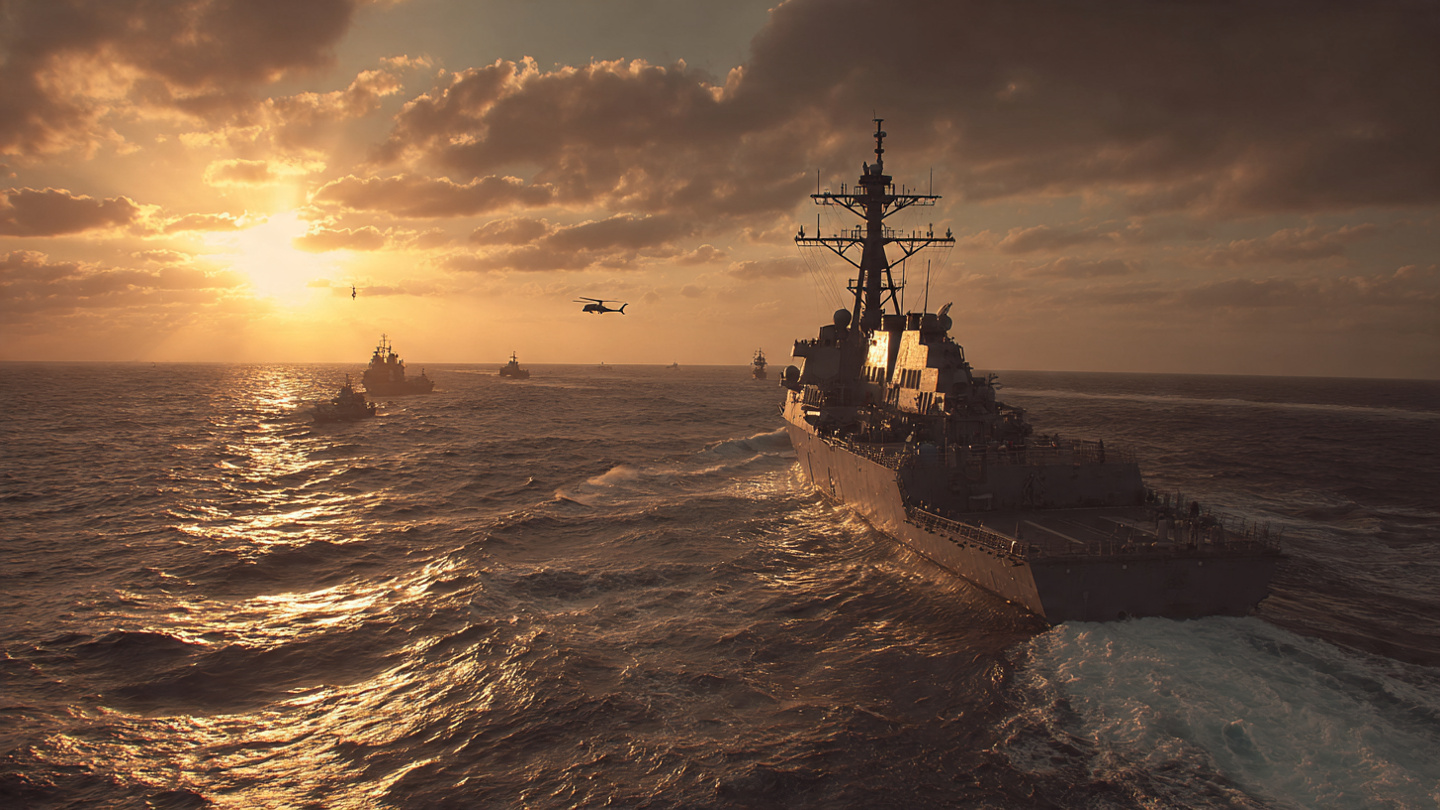
The Pentagon has announced a major new campaign called Operation Southern Spear, a mission that puts U.S. military assets squarely against groups the administration calls narco-terrorists across the Western Hemisphere. Defense Secretary Pete Hegseth framed this as more than a short burst of strikes, he described it as a sustained effort to disrupt maritime drug routes from the Caribbean to the eastern Pacific. The message from the Pentagon was blunt, and meant to telegraph a tougher, more direct approach to stopping drugs before they reach American streets.
Operation Southern Spear, the strikes that already happened

Here is the thing. The operation is being announced now, but the activity began weeks ago. Since early September, U.S. forces have hit multiple small boats that intelligence says were carrying narcotics. Those strikes destroyed vessels, interrupted smuggling routes, and in some incidents caused deaths. One recent strike that officials tie to this campaign reportedly killed four people. That shows these are not just patrols. They are kinetic actions with serious consequences on the water.
Operation Southern Spear, what officials say it will do
Officials are selling Southern Spear as a homeland security measure. The argument is straightforward, and they have repeated it often. If you can cut the flow of drugs at sea, the story goes, fewer illegal narcotics will reach communities inside the United States. Senior defense leaders emphasize that striking supply lines in international waters reduces risk on U.S. streets. In short, they want to move the fight away from ports and border crossings and into the trafficking corridors themselves.
Operation Southern Spear, the legal and political questions

But this raises real legal and political problems, and those matter. Using military force outside declared war zones sits in a grey area of international law. Which legal authorities permit lethal strikes in international waters, who sets the rules of engagement, and how are suspects designated as narco-terrorists? These are not hypothetical questions. They will determine whether actions can be challenged in court, whether Congress demands oversight, and whether international bodies call for investigations.
Operation Southern Spear, human rights concerns
What this really means is scrutiny from human rights groups and international institutions. The United Nations human rights office has already pushed back on recent strikes. They say lethal force should be a last resort and have urged investigations when civilians are killed. That criticism can shift diplomatic responses, and it can affect cooperation from regional partners who worry about sovereignty and accountability.
Operation Southern Spear, the regional political risk
There is also a geopolitical cost. Many Latin American governments are wary of U.S. military activity near their waters, especially if it looks unilateral. Some officials in the region worry that such operations could destabilize fragile politics or be used by domestic authorities to justify repression in the name of counter-narcotics. The point is simple. Actions at sea do not happen in a vacuum. They shape relationships, and those relationships are vital to intelligence sharing and long term success.
Operation Southern Spear, limits of a military approach
Let us break it down, and be blunt. Destroying boats and stopping shipments can raise costs for traffickers and create short term disruption. It does not, however, dismantle the networks, the money flows, or the local corruption that sustain the trade. Smugglers adapt. Routes change. New vessels appear. Analysts say interdiction works better when paired with strong regional law enforcement, anti-corruption measures, and development programs. Military action alone will not end a multibillion dollar market driven by demand.
Operation Southern Spear, the domestic political angle
At home the operation sends a clear political signal. It is a hardline posture aimed at voters who demand decisive action on drugs and border security. But it will also spark fights in Congress over oversight, funding, and the proper role of the military in law enforcement tasks. Lawmakers will want answers on targeting criteria, how civilian harm is prevented, and what the long term goals are. Expect hearings and tough questions.
Operation Southern Spear, the takeaways
For now, the main takeaways are obvious. First, Operation Southern Spear marks an escalation in U.S. counter-drug operations at sea. Second, legal and human rights questions about these strikes will not disappear quickly. Third, while the campaign may disrupt trafficking temporarily, it does not solve the deeper problems that fuel the trade. Fourth, the operation will shape politics at home and abroad, and test how far the United States is prepared to go militarily to stop narcotics at sea.









Leave a Reply