
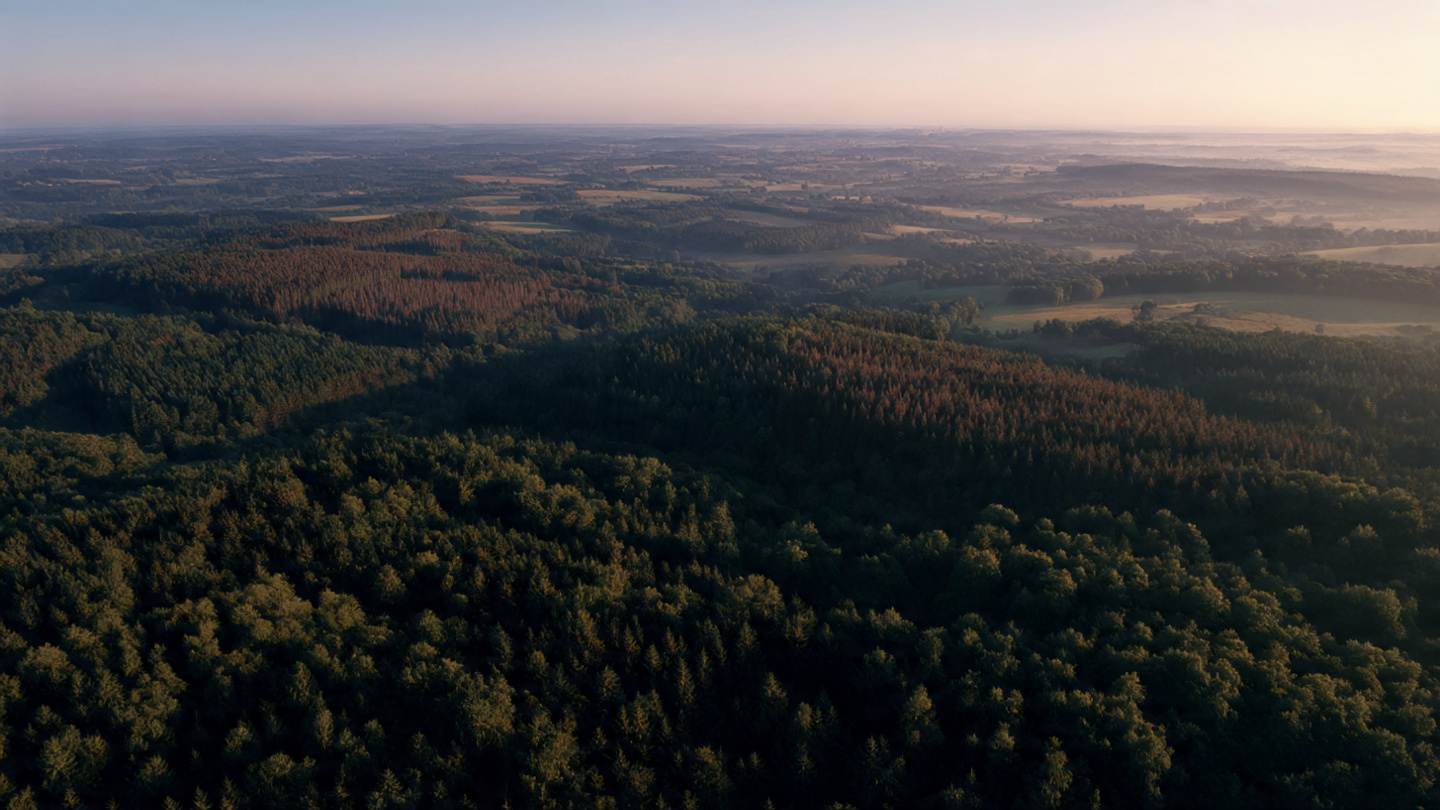
Europe likes to present itself as a leader on climate action, and to be fair, it has earned part of that reputation. Emissions are trending down, air quality has improved in several regions, and cleaner energy keeps gaining ground. But here’s the thing, the European Environment Agency’s latest report paints a much tougher picture once you zoom out. The Europe environment state 2025 is a mix of wins, losses, and warning signs that are getting harder to ignore.
Let’s break it down.
Europe Environment State 2025: Emissions Are Falling, But Not Fast Enough
Europe’s carbon emissions look better on paper than they did a decade ago. Coal is fading out, renewable power is scaling up, and industries are slowly tightening pollution controls. That is the progress side of the story. What this really means is that Europe has shown it can cut emissions without tanking its economy.
But the part people skip is the reality check. The Europe environment state 2025 still shows that current cuts are not hitting the pace needed to meet long term climate goals. Heatwaves in southern regions are getting longer. Winters in the north are warming faster than models predicted. Storms are hitting harder. These shifts tell us that the climate system is already changing faster than Europe is adapting.
Europe Environment State 2025: Biodiversity Loss Is Becoming a Crisis
If emissions are the slow moving disaster, biodiversity loss is the rapid one. The Europe environment state 2025 makes this painfully clear. Bird populations in farmland zones keep falling. Pollinators are shrinking in number. Wetlands are disappearing. Half of Europe’s protected species are still in poor condition.
People like to think biodiversity loss is a distant, abstract problem. It is not. It shows up on dinner plates, in drinking water quality, in soil health, in food prices, and in how well the land can handle extreme weather. When ecosystems weaken, everything built around them becomes unstable. Europe is seeing that now, and the trend is speeding up, not slowing down.
Europe Environment State 2025: Nature Degradation Is Worsening Even In Protected Areas
Protected areas are supposed to be Europe’s safety net for nature. But look at the newer data and the Europe environment state 2025 reveals a different story. A lot of these zones are protected only on paper. Forests inside these areas show heavy human pressure. Rivers listed as ecological hotspots are failing water quality tests. Coastal habitats continue shrinking due to construction and warming seas.
This matters because once nature degrades past a certain point, the recovery timeline stretches into decades. Europe cannot afford that. These ecosystems buffer floods, store carbon, cool cities, and support agriculture. Losing them is not just an environmental loss, it is an economic one.
Europe Environment State 2025: Climate Impacts Are Now A Direct Public Safety Issue
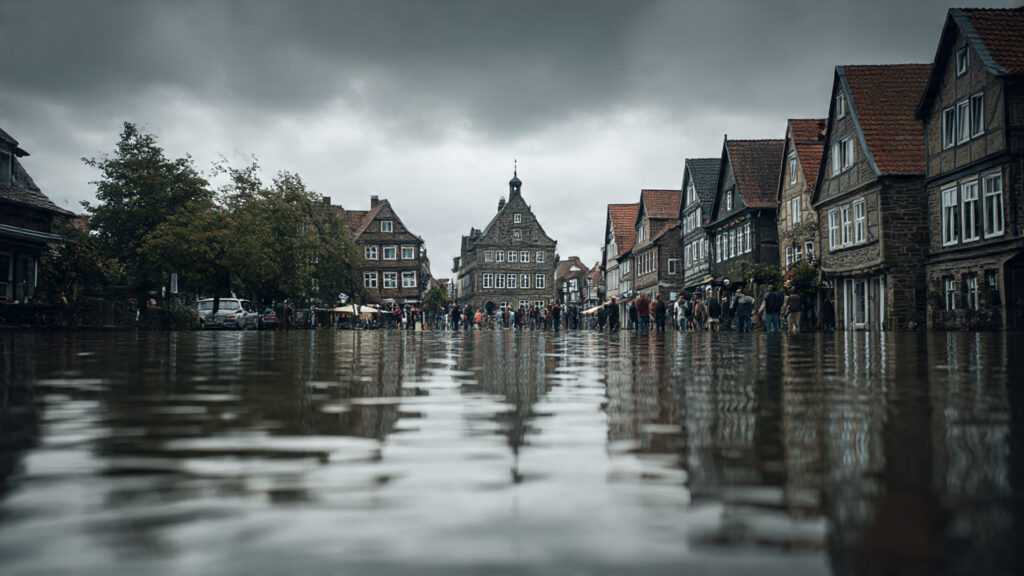
Europe’s climate shift used to feel like something that might hit hard in the future. That future is here. The Europe environment state 2025 shows rising heat stress, more frequent wildfires, and heavier rainfall events that flood cities in hours. This is no longer a scientific forecast, it is a lived experience.
Southern Europe is dealing with crop failures tied to extreme heat. Central Europe is seeing flooding in places that rarely experienced it before. Northern Europe is warming faster than the global average, reshaping entire ecosystems. The climate impacts Europe is facing are not minor adjustments, they are structural changes.
Europe Environment State 2025: Why This Story Resonates With People
Environmental stories keep attracting attention because they touch nearly every part of daily life. Clean air, stable weather, affordable food, safe water, predictable seasons, healthy outdoor spaces, even tourism. The Europe environment state 2025 ties all these threads together. It shows improvement where policies worked, but also exposes how fragile the progress really is.
And here is the takeaway that cuts through all the noise. Europe is not failing. It is just not fixing problems at the speed the problems themselves are escalating. Biodiversity loss Europe wide is accelerating. Climate change impacts Europe wide are intensifying. Nature degradation across regions is breaking down the systems people rely on without thinking.
Europe Environment State 2025: The Path Ahead Needs More Than Targets
Europe loves its climate targets. Big numbers, big deadlines. But targets do not repair rivers. They do not restore soil. They do not bring back disappearing species. The Europe environment state 2025 makes one point very clear: the continent needs action that lands on the ground, not just policies that look good on paper.
Cities need nature based cooling. Farms need better soil protection. Forests need real conservation, not restricted zones that still allow damage. Water systems need restoration, not temporary fixes. And biodiversity protection needs to shift from “nice to have” to “non negotiable.”








Leave a Reply