

The New Wave of Developer Tools: How Low-Code Meets LLMs, can I build apps with GPT

This piece answers can I build apps with GPT and shows how easily you can start. It explains low code LLM platforms, and it maps the shift in developer workflows with clarity. You will read examples, a CRM tutorial, governance rules, and cost warnings for teams.
Why Low-Code and Large Language Models Are Colliding
Here’s the thing, visual builders used to stop at simple UI wiring. Now AI-assisted app development and natural language coding inject new capability directly into those tools. The gap between product idea and shipped app narrows fast.
Developers and non-coders both gain leverage because low code LLM systems translate plain instructions into steps. Teams move from planning to iteration quickly when LLMs handle repetitive code patterns and routine glue logic.
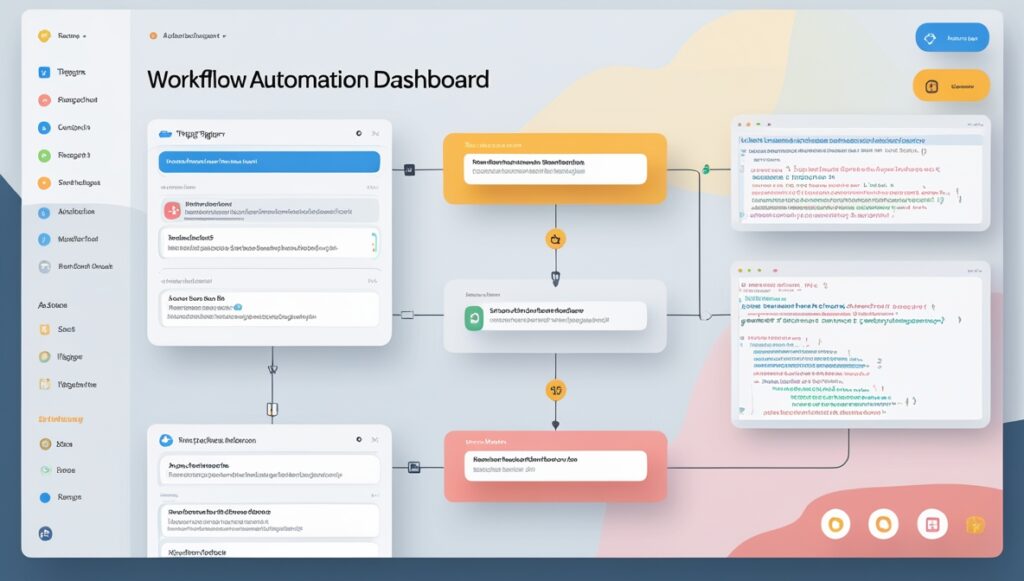
The speed gap between traditional coding and AI-assisted building
Traditional coding needs scaffolding, then testing, then integration cycles that take weeks. With GPT-powered low-code platforms and generative AI app building you get prototypes in hours. Teams tune prompts and ship fast.
The result is faster feedback, reduced drift between product and code, and more experimentation. Firms that adopt this workflow pivot more quickly and learn from real user data.
What happens when drag-and-drop meets generative AI

Drag-and-drop UIs let you layout screens and flows visually, while embedded LLMs write the connecting logic. This is where AI app builders and workflow automation with LLMs converge.
You get a hybrid interface that feels like composing a document and running code at the same time. The work becomes conversational and iterative.
How LLMs Are Rewriting the Rules of App Development
Here’s how LLMs rewrite rules, they let you express intent and get working code back. Natural language coding and LLM integration API bridges reduce boilerplate and speed delivery. The shape of tasks changes quickly.
Teams reuse prompts as components and version them like code. That practice turns language prompts into repeatable artifacts that improve over time with telemetry.
Turning natural language into working code
Say a product manager describes a filter for leads in plain English, the LLM produces validation, queries, and UI wiring. How do LLMs help developers build faster becomes a practical question answered by toolchains today.
Developers review generated logic and refine it. They remain responsible for correctness while the LLM accelerates the routine work.
From prototypes to production, faster than ever
LLMs help you scaffold end-to-end flows that used to take sprints to build. Enterprise low-code tools and open-source low-code frameworks now offer deployment paths. This shortens time to value.
The caveat is testing and governance, they must scale with speed. Production readiness requires monitoring, permissions, and cost controls.
Example, build apps with GPT in minutes
Imagine creating a support triage form, the LLM classifies intent and suggests responses. With build apps with GPT flows you can iterate conversationally until the UX feels right. Then you connect storage and analytics.
This pattern works for chatbots, smart forms, and automation agents that act as the app glue.
What You Can Build Right Now with Low-Code LLM Tools
Startups and teams already ship smart features like summarizers, routing engines, and insight widgets. Business process automation with GPT powers these features, and AI-assisted app development gets them live faster. Real value appears quickly.
The low barrier lets smaller teams try ideas and measure impact. That reduces risk and lets product managers own experiments directly without heavy engineering overhead.
Real examples of no-code AI apps that actually work
You can build a lead summary generator, a meeting note analyzer, or a knowledge base search assistant. These use no code AI apps patterns and GPT-powered low-code platforms to translate inputs into structured outputs and actions.
Companies often start with one focused app and expand once they collect metrics. That pragmatic approach yields immediate ROI.
How LLM developer tools help teams ship faster
LLM developer tools automate mundane tasks like input sanitization and schema mapping. LLM developer tools and workflow automation with LLMs free engineers for higher level design and safety checks.
This model changes role composition on teams and shortens release cycles substantially when governance is in place.
Mini Tutorial, Build a Smart CRM Widget with an LLM
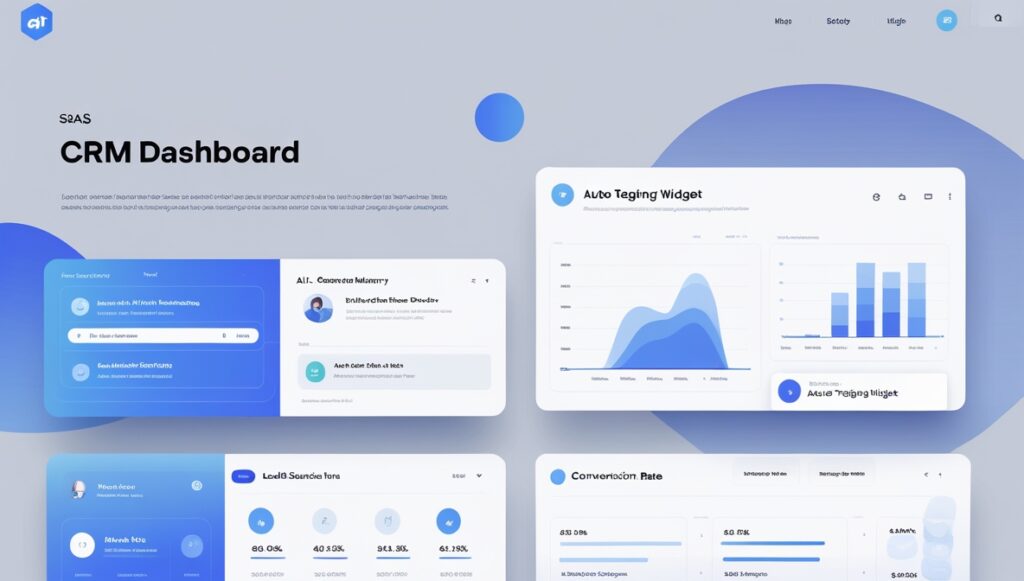
This short tutorial shows the pattern, not full code. Use low code LLM builders, connect a LLM integration API, and create a widget that summarizes a lead and suggests tags. The process maps to most platforms.
You will pick a canvas, add an input field, wire a server action to the model, parse the response, and persist tags to your CRM. That sequence yields a usable feature quickly.
Step 1, Choose your platform (Bubble, Retool, Glide, etc.)
Pick a platform that supports external APIs and simple UI wiring. GPT-powered low-code platforms and AI app builders like Retool or Bubble make integration straightforward.
Platform choice affects deployment and governance, choose one aligned to your compliance and scaling needs.
Step 2, Connect GPT or an open LLM integration API
Obtain API keys and set up a server action that sends prompt context. Use a narrow prompt that asks for a short summary and top three tags. LLM integration API calls return structured JSON.
Always sanitize inputs and enforce rate limits before routing data to the model. That prevents leaks and unexpected costs.
Step 3, Teach it to summarize leads and auto-tag them
Create training examples in the prompt, show the model expected outputs. Store sample lead descriptions and desired tags inline so the LLM learns formatting rules. How to automate app building with AI often starts with good prompts.
Tune the response parsing to map tags into your CRM fields reliably, and build a lightweight retry for ambiguous outputs.
Step 4, Test, tune, and deploy
Run the widget with production-like data, log responses and edge cases, then iterate. Add a manual review step for the first weeks. Business process automation with GPT requires measured rollout.
Track accuracy, cost per call, and conversion impact to quantify benefit before scaling.
The Rise of the “Citizen Developer” Using LLMs

Here’s the thing, non-coders now automate workflows and build features using conversational prompts. Citizen developer LLM adoption grows because tools expose logic in plain language and provide safe defaults.
This broadens who can ship digital products and speeds internal process automation.
Why non-developers can now automate workflows
Interested users can compose prompts that map to actions, then connect those actions to existing systems with a visual canvas. Citizen developer meaning in AI becomes practical when integrations are prebuilt.
Organizations must train users in prompt hygiene and review obligations to reduce risk.
How LLMs make technical skills optional, not required
LLMs do heavy lifting but do not replace system thinking or security oversight. Do LLMs replace programmers is a false dichotomy, they augment skill sets and accelerate mundane tasks.
Engineers shift toward review, integration, and governance while citizen developers focus on workflows and outcomes.
The Governance and Cost Traps You Should Avoid
Fast experiments can create messy liabilities quickly. Without rules, data governance for no-code platforms and model misuse become real risks. You must define where models can touch sensitive data and who audits that access.
Plan budget controls and tagging for usage so finance can attribute cost back to teams. That reduces surprise bills.
Hidden costs of LLM automation tools
Model usage, data egress, and excessive sampling add up fast. LLM automation tools look cheap at first and then surprise you with scale costs. Estimate per request cost and measure feature value before broad adoption.
Use rate limits, caching, and batching to control spend while preserving responsiveness.
Privacy and data leakage in low-code AI platforms
Sending customer data to third party models can violate laws if not designed carefully. Data governance for no-code platforms and encryption in transit should be mandatory. Audit logs and consent management are essential.
Minimize PII in model prompts and store only derived metadata where possible.
The Future of App Building, Teams That Talk to Their Code

Teams will speak to their tools in plain language and get reliable code back. AI copilots for developers and generative AI app building will become standard parts of the toolbox. The human role centers on design and judgment.
Hybrid teams combining product, infra, and prompt engineers will outrun isolated specialist groups in speed and adaptability.
How AI copilots for developers are becoming standard tools
Copilots reduce repetitive edits, suggest tests, and generate documentation from patterns. They speed onboarding and preserve institutional knowledge. AI copilots for developers shift the focus toward complex problem solving.
This trend scales capability without linear hiring growth.
Why the future belongs to hybrid teams, humans plus AI
Humans still decide tradeoffs and ethical boundaries. LLMs amplify output but not judgment. Teams that pair human oversight with model power will produce safer, faster outcomes.
Expect new roles like prompt engineer, model auditor, and cost steward to appear in organizational charts.
Final Take, Low-Code with LLMs Isn’t a Shortcut, It’s a Shift
Low-code plus LLMs change how we ship software, they change roles and speed. Low code LLM platforms let ideas become working features in record time while requiring stronger governance. The net result is greater experimentation at lower marginal cost.
If you adopt this model, focus on prompts, testing, and monitoring first. Invest in training and cost controls to get maximum benefit without surprise liabilities.
Building smarter means thinking smaller, faster, and more conversational
Start with one high impact automation, instrument it well, and iterate. Low code LLM adoption is a journey of small wins that compound into meaningful business advantage.
Document patterns, measure outcomes, and keep humans in the loop for final decisions.
Tools Comparison Table
| Tool Type | Strength | Risk |
| GPT-powered low-code platforms | Fast prototyping with natural prompts | Cost per call can escalate |
| Enterprise low-code tools | Governance and deployment features | Slower to integrate new models |
| Open-source low-code frameworks | Customizable and cheaper at scale | Requires engineering to maintain |
Five AEO Optimized QnAs for Snippets and Voice Search
Q1 What is low code LLM integration
You connect a model to a visual builder so language creates working logic.
Q2 Can I build apps with GPT right now
Yes, many GPT-powered low-code platforms let you prototype and ship quickly.
Q3 How do LLMs help developers build faster
LLMs generate routine code, map schemas, and draft prompts for business logic.
Q4 What costs should I watch when using LLMs
Monitor call volume, token usage, data egress, and runaway sampling in production.
Q5 Are citizen developers safe to use with LLMs
They can be safe with governance, audits, prompt training, and usage caps.










Leave a Reply