
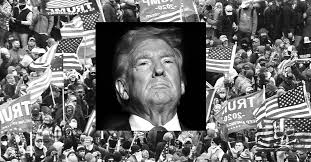
Trump’s Violent Rhetoric Against Democrats, Mark Kelly Leads Democratic Pushback
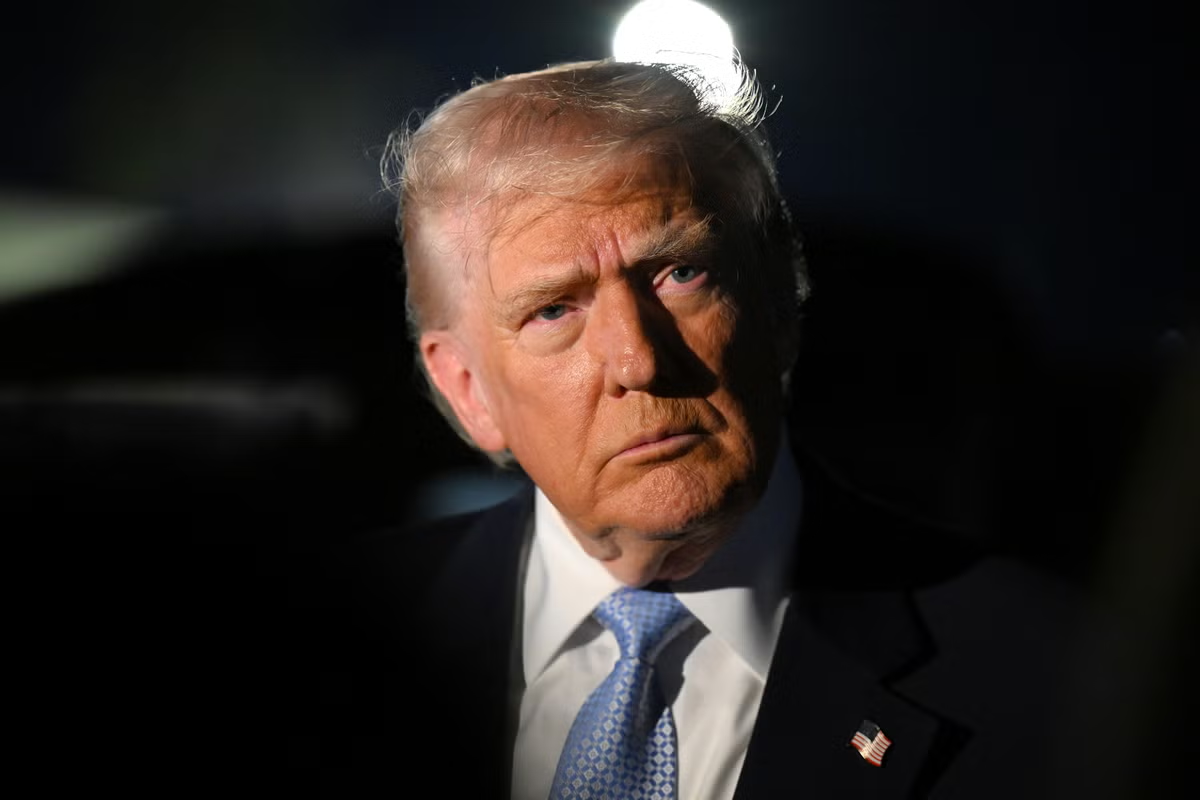
Donald Trump’s recent social media posts, in which he accused some Democrats of “seditious behavior punishable by death,” have brought a heated debate to the forefront of American life. Here is the thing: when a well-known politician uses inflammatory language, it’s not just talk. It has power. When someone with a huge platform says something that suggests violence, it changes how supporters understand what is okay. That change is important because rhetoric affects how people act, and how people act affects elections, protests, and, at worst, violence.
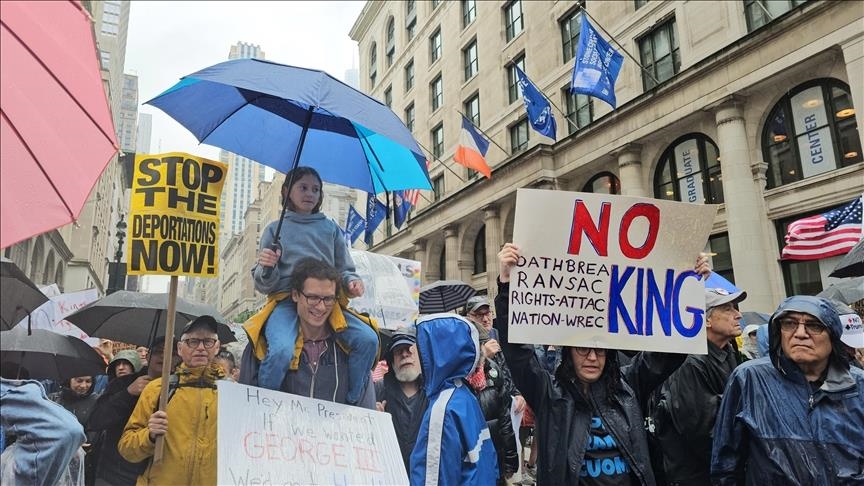
Trump’s Violent Rhetoric Against Democrats, The Legal Line Between Speech And Crime
Senate Democrats, such as Senator Mark Kelly, have loudly criticized the posts and called for action. Their answer is clear and planned. They want the government to be accountable to the public, Congress to keep an eye on things, and platforms to be pushed to act. What this really means is that institutions are being pushed to show that they will not put up with language that could cause harm. For Democrats, the math is both political and moral. Politically, the rhetoric gets their base excited and gives them a clear plan of attack for 2026. It makes lawmakers choose between strong political speech and threats.
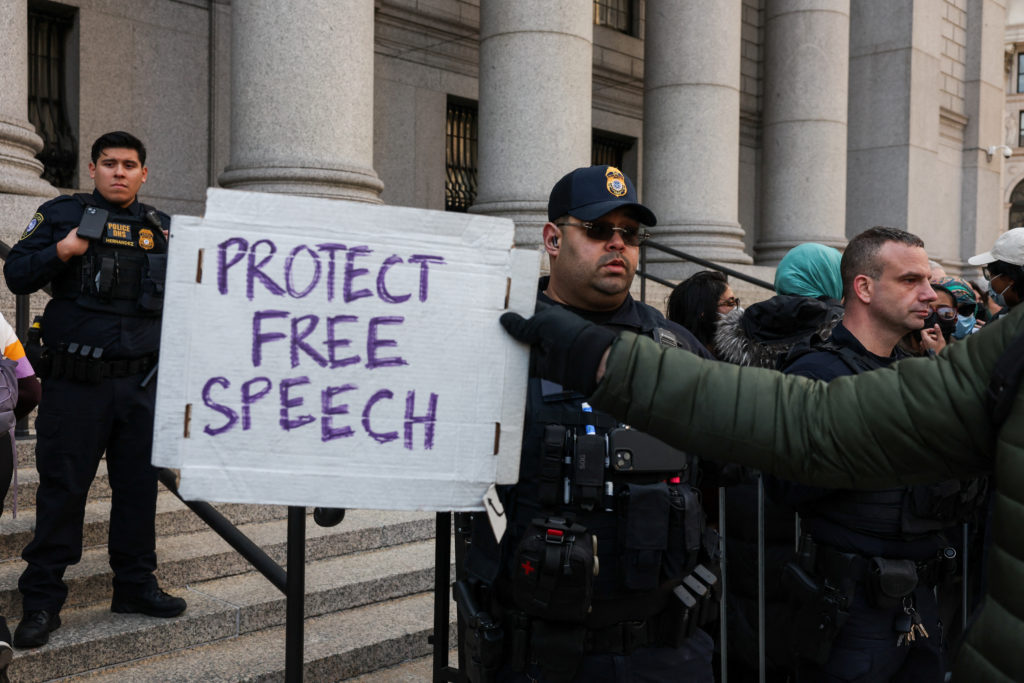
Trump’s Violent Rhetoric Against Democrats, Social Media Platforms Under Pressure
The legal issue is complicated. The First Amendment to the U.S. Constitution protects a lot of political speech. At the same time, laws make it illegal to make real threats and ask someone to commit violence. When deciding if someone is guilty, courts look at the situation, the person’s intent, and whether a reasonable person would feel threatened. Prosecutors know that is a high bar. To win a case against a former president based on speech, you would need clear proof that the posts were not only violent in tone, but also meant to encourage immediate illegal behavior. So, while criminal charges are possible, they are also hard to understand and could cause a lot of trouble in politics.
Social media sites are under more pressure again.
Once again, tech companies are in trouble. Moderation rules that used to seem like they were just for show are now political hot spots. Platforms need to decide if they should label, limit sharing, or delete posts that sound like they are inciting violence. Those choices have effects that spread. If platforms act too aggressively, they could be accused of censorship and bias. If they don’t do much, people might think they are helping. Both advertisers and users pay close attention. In the meantime, lawmakers from both sides are bringing back discussions about platform liability and openness. The outcome will affect how social media handles similar problems in the future.
Trump’s Violent Rhetoric Against Democrats, Political Fallout And The 2026 Playbook
This story isn’t just a scandal for one day. It will be used again and again in campaign ads, emails asking for money, and cable shows. For Democrats, the story is clear and strong: don’t make political violence normal. Many Republicans will try to make any crackdown look like partisan suppression in their response. That dynamic makes things more divided, and it creates a feedback loop where each side uses the other side’s reaction as proof of threat. The practical effect is clear: voters will see this as proof that norms are weak, and candidates will change their messages to reflect this.

Trump’s Violent Rhetoric Against Democrats, Possible Paths To Accountability
There are many ways to hold people accountable. Congress can hold hearings, issue subpoenas, and pass resolutions that condemn speech. Platforms can change how they enforce rules and how open they are. Prosecutors can look at the evidence and decide if the statements are serious enough to be crimes. Civil lawsuits can go forward, but they probably won’t stop speech very quickly. There are limits to each path, and supporters and critics will judge each one as either necessary or partisan. Not the legal details, but the conflict is what will keep this story in the news.
Trump’s Violent Rhetoric Against Democrats, Key Signals To Watch Next
Look for three signs. One is whether platforms take obvious steps to moderate. Second, if congressional committees set up hearings or call executives to testify. Three, if local or federal prosecutors take investigative steps that go beyond statements. Those signals will decide if this incident turns into a court case, a fight with the government, or another chapter in a growing media war.
Trump’s Violent Rhetoric Against Democrats, Why This Debate Shapes Future Norms
Let’s break it down: the stakes are more than just personal. How the country reacts will shape what is considered acceptable political speech for a long time. If institutions act in a way that works, it could make guardrails against violent speech stronger. If institutions don’t do anything, the baseline for acceptable public discourse could change in ways that make real-world harm more likely. No matter what, the debate will affect how Americans find a balance between free speech, safety, and political accountability.
This is a live national story that will stay popular because it brings together power, law, technology, and election politics in one explosive moment.








Leave a Reply