
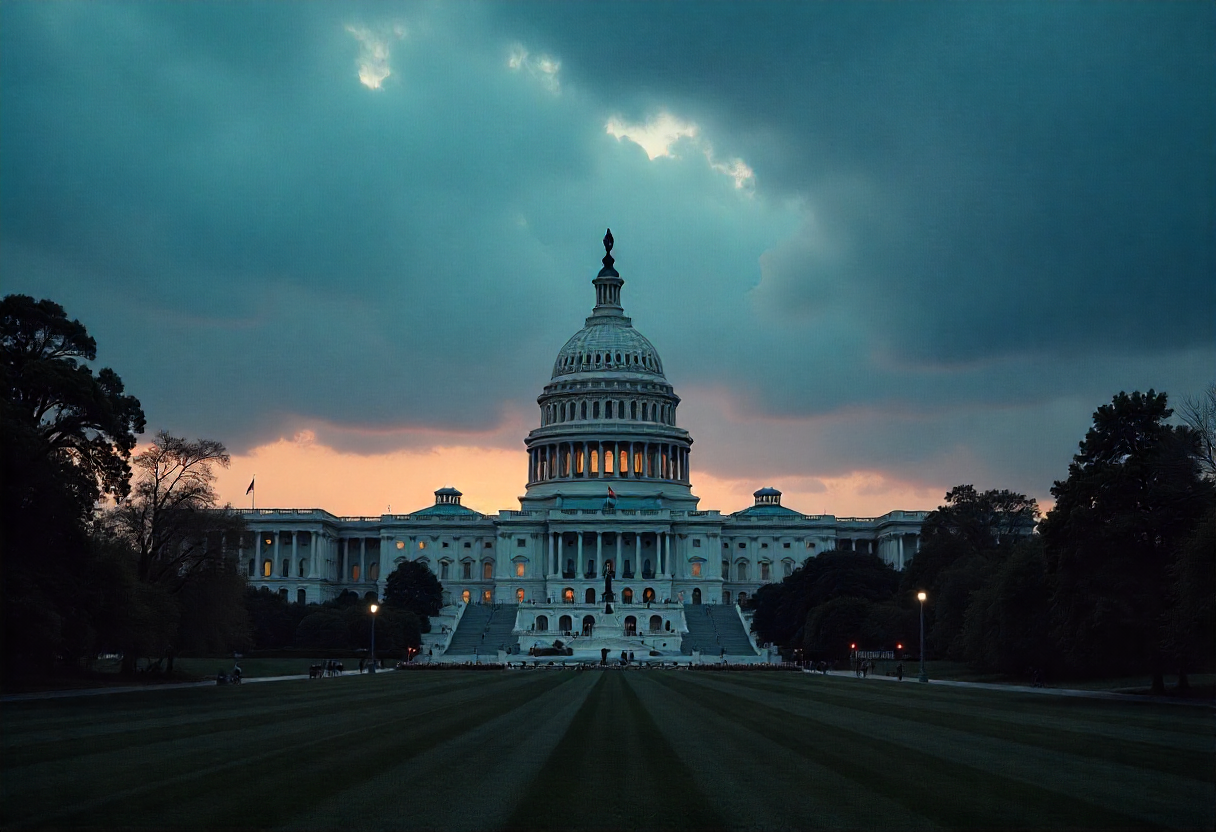
US Government Shutdown 2025 Impact on Federal Workers
US Government Shutdown 2025 Impact ends after 43 days as federal agencies reopen and workers receive back pay. The US Senate passed a funding deal that restarts federal operations and pays more than one million federal workers again after 43 days of political standoffs and nationwide disruption. It’s a big step forward, but the shutdown has left the country with a long list of economic and administrative problems.
The government will be funded until January 2026
The new deal will keep the government funded until January 2026. Federal employees will get all of their back pay, agencies can start working on projects that were put on hold, and services that were stopped during the closure can start up again.
Federal contracting pipelines, small business loans, USDA programs, and passport offices are all back up and running. But here’s the deal. Everything doesn’t go back to normal right away just because the lights are back on. Many departments have a lot of work to do that will take weeks or even months to finish.
A Shutdown That Hurt an Already Weak Economy
Economists had warned that the shutdown would hurt an economy that was already growing slowly, prices that wouldn’t budge, and consumers who were being careful with their money. The shutdown made those problems worse.
Airlines and travel companies were some of the hardest hit. Thousands of flights were canceled because of staffing shortages and delays at the federal level that caused backups. Travelers had to deal with schedules that changed all the time, and the industry lost billions of dollars during a busy travel time.
People also spent less money. When federal workers don’t get paid, they change their budgets right away. People canceled trips, put off buying things, bought less food, and stayed away from restaurants. Small businesses near federal hubs felt the drop right away. Even a short break can hurt local economies, but this one lasted more than six weeks.
A blackout of data that made it harder for the Federal Reserve to make decisions
One thing that people didn’t think about was that the shutdown stopped important government data from being collected. Reports on jobs, inflation, retail spending, and business inventories were all late.
The Federal Reserve and other policymakers were almost blind without these signs. Officials at the Fed said they were making decisions with very little information when they decided to cut rates recently. That lack of clarity made markets uncertain and investors had to guess what was really going on with the economy.
Political Compromise or a Quick Fix?
The funding deal that ended the shutdown is not a big compromise. It’s more like a short-term fix for a much bigger political issue.
The biggest fight, how to pay for healthcare subsidies, is still going on. Instead of settling the argument now, lawmakers pushed it into the future. There is still a lot of tension in Congress because the next funding deadline is in 2026.
Many senators from both parties said they didn’t want to support the deal. Some people thought leadership gave in too easily. Some people said that the shutdown should never have happened. There is a lot of distrust in Washington politics right now, and that will affect the upcoming debates.
CBO Says There Will Be Permanent Economic Loss
The Congressional Budget Office’s first look at the situation says that the 43-day shutdown could cost the US between $7 billion and $14 billion in permanent economic damage. That number comes from less production, delayed federal contracts, canceled research projects, and less spending by consumers.
The shutdown also made it harder for federal departments to hire new workers and delayed infrastructure and energy projects that need federal approval. Each delay has a ripple effect, and local contractors, suppliers, and small businesses are often the hardest hit.
Federal workers get help, but it comes at a cost
More than a million federal employees will finally get the money they earned, but many are still in worse financial shape after the shutdown. Families had to borrow money, use credit cards, miss loan payments, or fall behind on rent because they hadn’t gotten paid in over a month.
A paycheck coming in now doesn’t mean that weeks of money stress are over. Many homes will have to spend months fixing the damage.
Public services will take a long time to get back to normal
The shutdown caused huge delays in everything from immigration services to national parks to federal courts. The upkeep of the park fell behind. Claims for veteran benefits were put on hold. Court cases were put off. Visa and passport services came to a halt.
Now agencies have to dig out. Some departments think it will take weeks to get better. Some people may need months to fully catch up.
A Bigger Question: Will This Happen Again?
The end of the shutdown does not mean that things will be stable. The political differences that led to it are still there. If talks about long-term spending and healthcare subsidies fall apart again, another shutdown could happen.
The country pays the price every time Washington gets to this point. Companies are hesitant to put money into things. Federal workers lose faith. People’s trust keeps going down.
The Bottom Line
The shutdown is officially over, but it still has effects. The government is back up and running, federal employees are getting paid, and agencies are getting back to work on the things that make life in America normal. But the political tension, economic problems, and backlogs that caused this crisis are still very much alive.
The country can finally take a deep breath, but this decision shouldn’t be seen as a full recovery. The real work begins now, and the effects will last much longer than the 43 days that stopped Washington.










Leave a Reply