
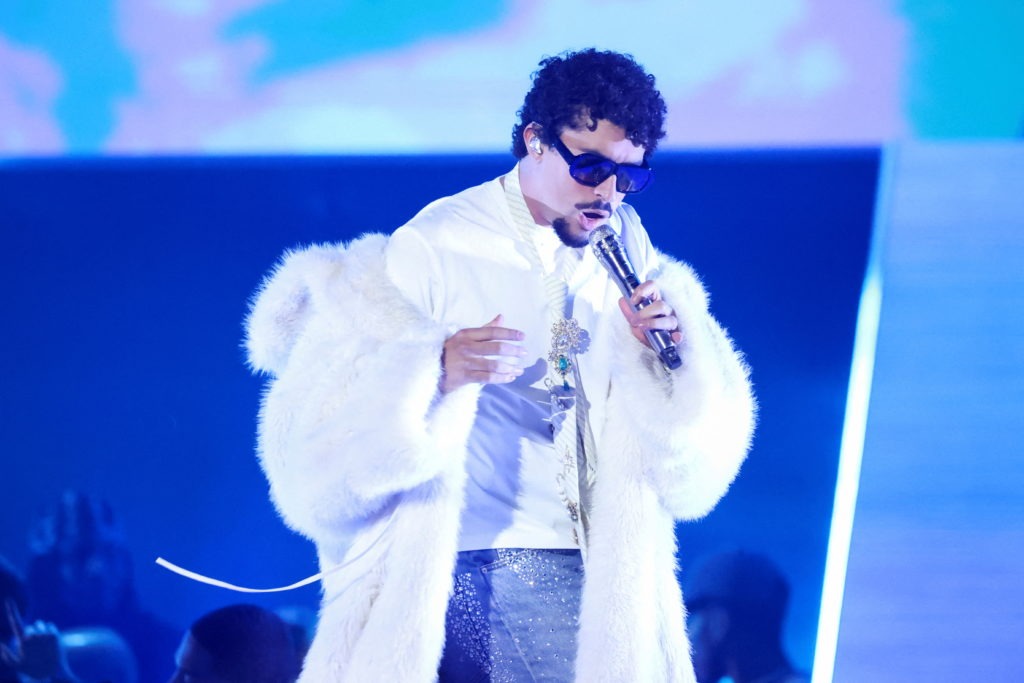
The NFL picking Bad Bunny for the Super Bowl halftime stage did not feel like a music story, it felt like a referendum. For many viewers it was a celebration, for many conservatives it was a provocation. That split made the halftime show less about choreography and more about who gets to claim American culture.
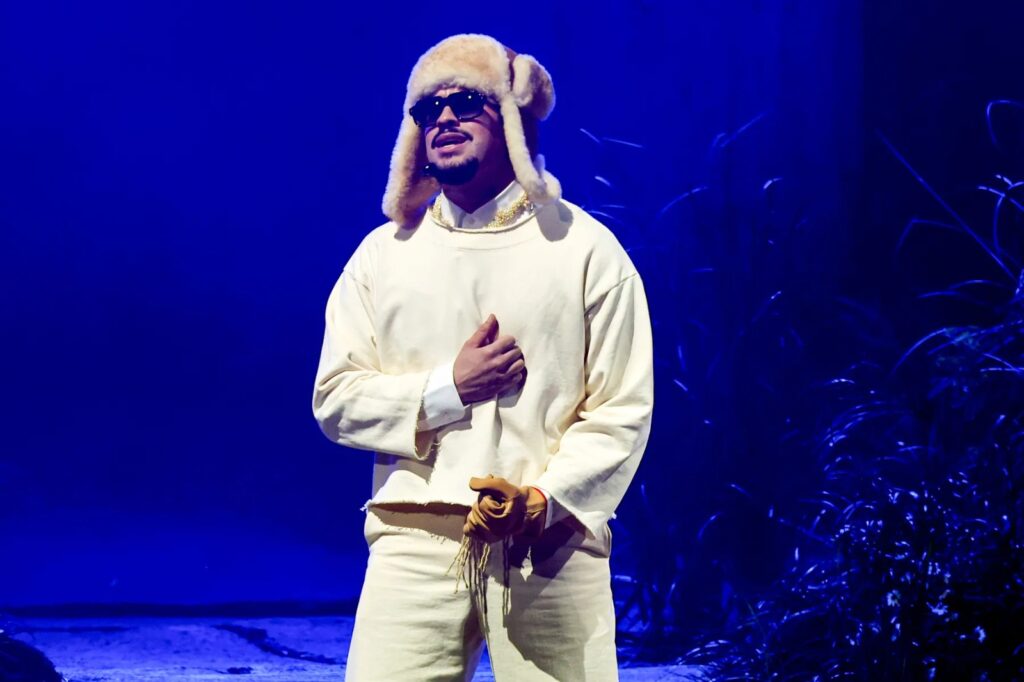
Pop Culture and the Culture War Entertainment, how outrage is manufactured not accidental
Here’s the thing, outrage around cultural moments is rarely purely spontaneous. The backlash to Bad Bunny’s selection moved fast because political actors treated it as an opportunity. Conservative commentators framed a Spanish-language set, gender-fluid fashion choices, and past political remarks as proof the NFL had crossed a line. At the same time, organized groups announced counterprogramming and petitions, turning critique into coordinated mobilization rather than isolated complaints. That orchestration is what turns a celebrity pick into a culture war skirmish.
Pop Culture Identity Signalling in Music, why language and look became political signals
What this really means is that elements of performance, which used to be artistic choices, are now read as identity signals. Bad Bunny sings mostly in Spanish, embraces gender nonconformity, and has publicly criticized certain immigration policies. Those details map onto broader social debates about immigration, national identity, and representation. To supporters, the choice meant recognition for Latino influence on mainstream music. To critics, it seemed like a deliberate cultural shift they did not want. That clash is about symbols, not just songs.
Pop Culture Outrage Factory, polls show the partisan split behind cultural approval
Polls make the politics plain. A Quinnipiac survey found wide partisan differences, with roughly three-quarters of Democrats supporting the pick and a large majority of Republicans opposed, while the national approval number sat near the middle. Those divisions let political leaders and media outlets turn taste into territory. When half the country sees a choice as validation, and the other half sees it as provocation, every cultural decision becomes fuel for political identity formation.
Pop Culture Spanish-Language Mainstream Challenge, why representation matters on a big stage
Putting a primarily Spanish-language artist at the center of the biggest U.S. TV spectacle is significant. For Latino fans, it reads as overdue visibility. For detractors, it reads as an affront to a perceived mainstream. Either way, the choice reflects broader demographic and industry shifts. Streaming and global markets mean English is no longer the only path to mass American attention. That change will keep generating pushback because cultural power always realigns along social fault lines.
Pop Culture and Latino Representation in US Media, this is part of a larger pattern
The halftime controversy is not an isolated event, it is a symptom. Debates over casting, language, and who represents national culture have played out across television, film, sports, and advertising for years. When culture becomes a proxy for political identity, representation carries extra weight. Small choices, like a headline performer or a language used in a commercial, suddenly signal which communities count and which values the platform endorses.
Pop Culture Creators and Brands, how to read the room and plan with intent
If you make content or run a brand, decide your tradeoffs deliberately. You can court controversy if you want to activate a base or highlight an issue, or you can aim for broad appeal while accepting it may no longer guarantee neutrality. Bad Bunny’s pick shows that even neutral-seeming creative choices will be read politically, so plan with the awareness that cultural work now carries civic consequences. That is a challenge and an opportunity for anyone trying to shape conversation.
Pop Culture and the Front Line of Politics, where entertainment and ideology now meet
Let’s break it down, culture is not separate from politics anymore, it is one of the main places politics plays out. The Bad Bunny Super Bowl moment illustrates how a headline act can become a stand-in for debates about language, belonging, and power. Expect more cultural events to become battlegrounds, expect organized counterprogramming and manufactured outrage, and expect creators to be judged as much for who they seem to be as for what they actually perform. That is the new normal, whether you like it or not.



Leave a Reply