
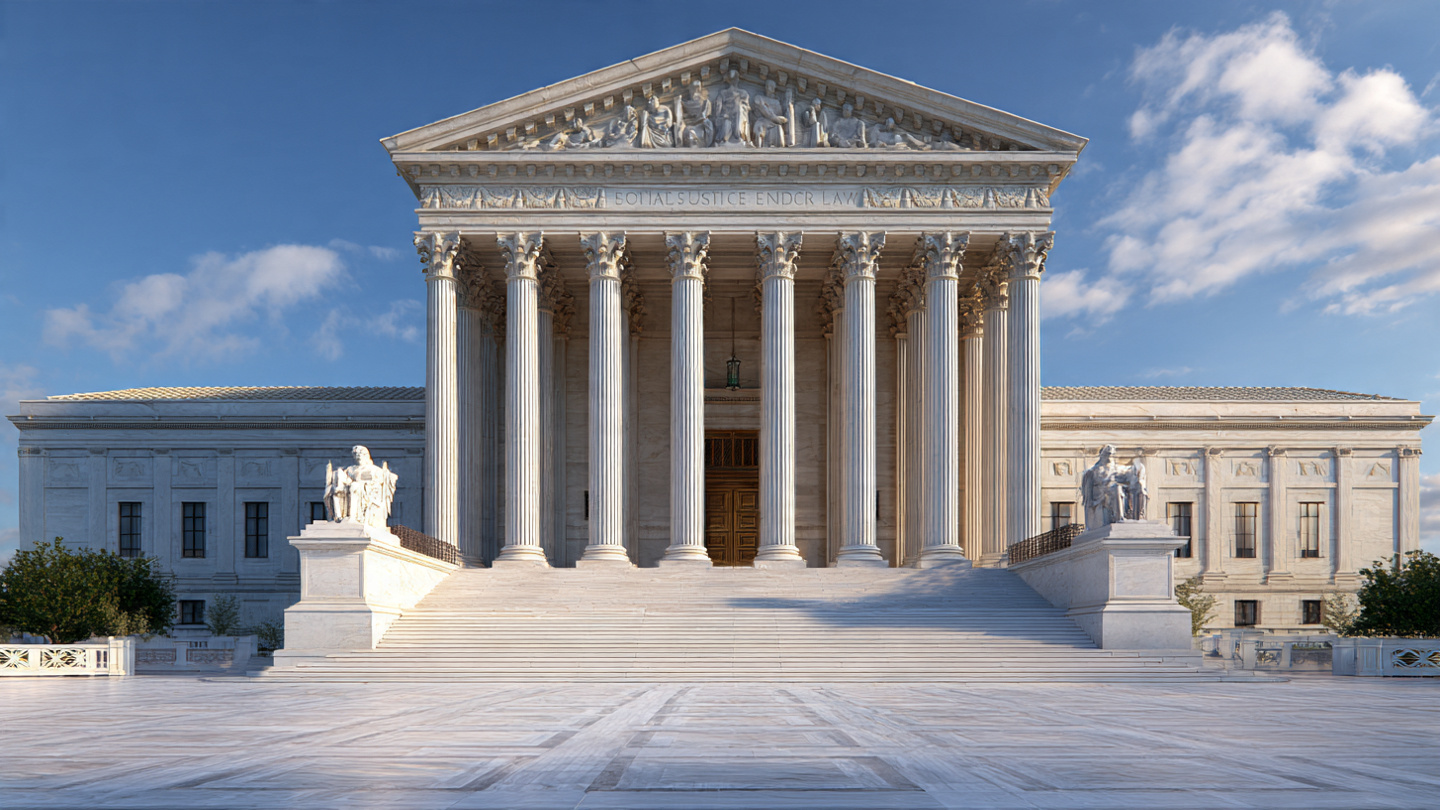
The U.S Supreme Court food-aid pause just made life harder for millions of Americans already squeezed by the government shutdown. The Court allowed the Trump administration to temporarily delay federal food assistance payments under the Supplemental Nutrition Assistance Program, or SNAP. Lawmakers are still locked in negotiations to reopen the government, and families depending on those benefits are left waiting.
This isn’t some obscure legal fight. SNAP helps more than 40 million people afford groceries each month. Freezing that flow of aid during a shutdown means parents are skipping meals, stores in low-income areas are seeing fewer customers, and state agencies are scrambling to fill the gap. The pause was supposed to buy time for budget talks, but for families, time doesn’t feed anyone.
SNAP Payments Delay USA 2025 Following the U.S. Supreme Court Food Aid Pause

Here’s the thing — this SNAP payments delay USA 2025 is hitting real people. Across the country, state welfare offices have been flooded with calls. Recipients want to know when they’ll see their next payment. Many are hearing the same answer: we don’t know yet.
Officials in states like Texas, Ohio, and California say they’re using emergency reserves to keep benefits flowing, but those funds won’t last more than a few weeks. Grocery store owners say sales are already down. Some food banks are reporting the busiest month they’ve had since the pandemic.
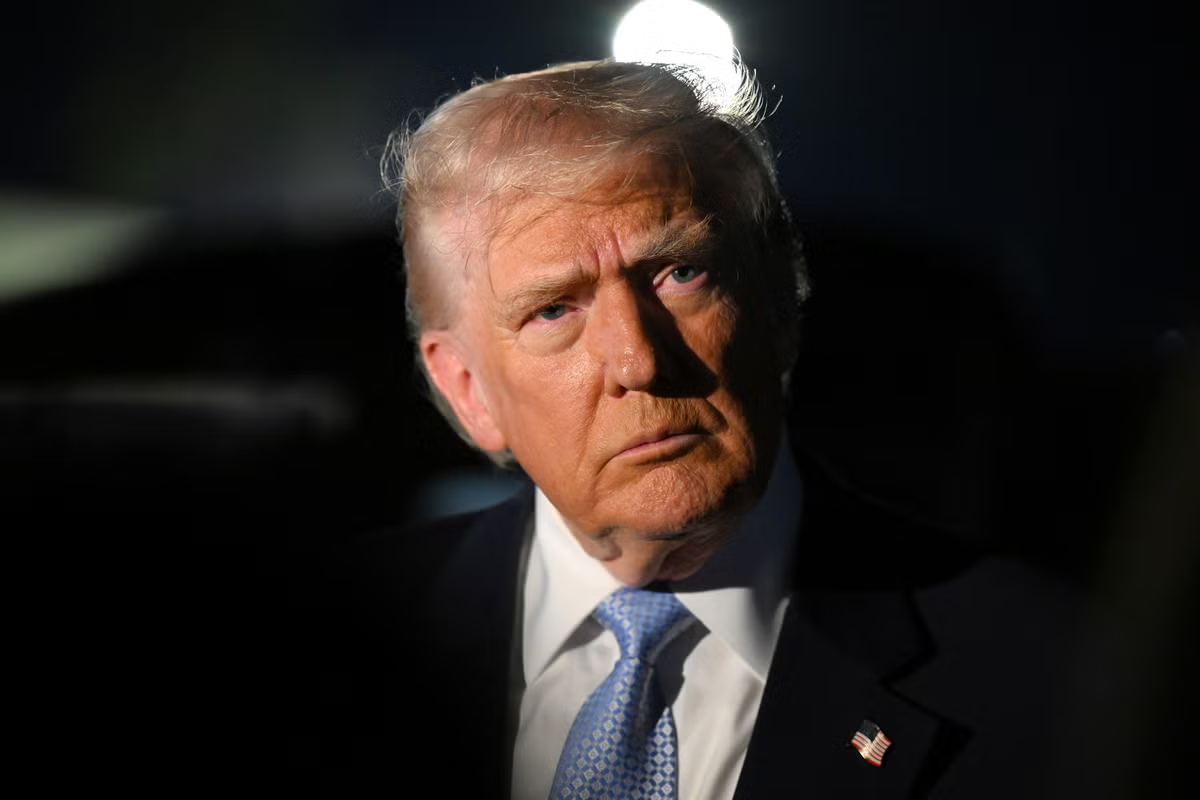
The White House insists the freeze is temporary. A senior official said the administration is waiting for Congress to finalize a funding deal before resuming payments. Lawmakers from both parties say the situation is politically risky. For Republicans, the optics of withholding food aid are bad. For Democrats, failing to end the shutdown quickly could alienate working-class voters.
Why the U.S. Supreme Court Food Aid Pause Has Become a Political Flashpoint
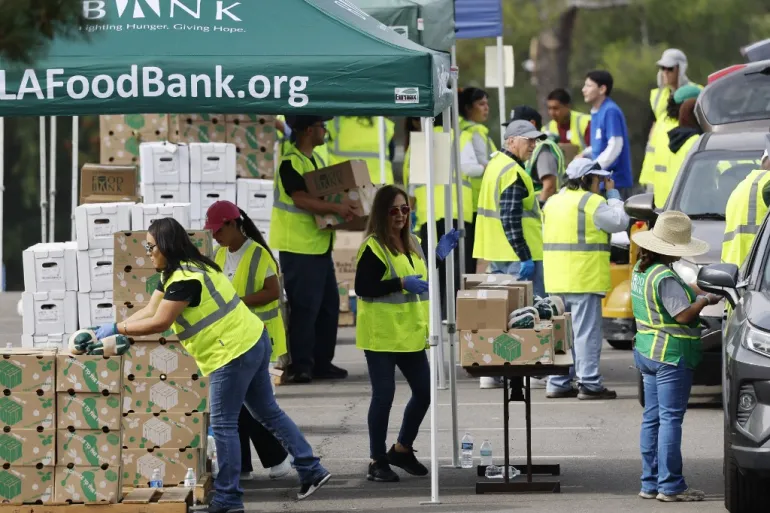
This US government shutdown food assistance crisis has turned into a political battlefield. Democrats blame the Trump administration for weaponizing food aid to pressure Congress. Republicans argue the president is using the pause to force fiscal responsibility. Meanwhile, neither side looks particularly heroic to the families standing in line at local pantries.
Economists say that the delay could have effects on the whole economy. If the freeze goes on for a long time, food stores, logistics companies, and farmers who depend on SNAP recipients for steady business could lose millions. Experts say that for every dollar spent on SNAP, the economy gets about $1.50 in business. Even if it’s only for a short time, cutting that off means that less money will be moving around in communities that need it the most.
This is what it really means: if Congress doesn’t act quickly, the effects will go far beyond the grocery store. As we get closer to the 2026 midterms, state budgets will come under more pressure, nonprofits will have to deal with more requests, and voters will be more angry.
Next Steps for Congress as the U.S. Supreme Court Food Aid Pause Remains in Effect
Negotiations in Washington continue, but there’s no clear timeline. The Senate has floated a short-term spending bill to restore food-aid payments and reopen shuttered federal offices. The House remains divided, with hard-line conservatives demanding deeper spending cuts before approving any deal.
If lawmakers can’t reach an agreement soon, the Department of Agriculture says it will run out of funds to process SNAP benefits by the end of the month. That could mean millions of households missing a second round of payments.
Policy experts say the Court’s decision gives the administration leverage but also adds urgency to end the shutdown. “They’ve essentially tied basic nutrition to political negotiations,” said one analyst. “That’s not sustainable.”
For now, grocery stores are cutting back on orders, food banks are running overtime, and families are watching the calendar — hoping the next hearing or vote brings relief. The U.S. Supreme Court food-aid pause may be a temporary measure on paper, but for millions of Americans, it’s starting to feel permanent.









Leave a Reply