
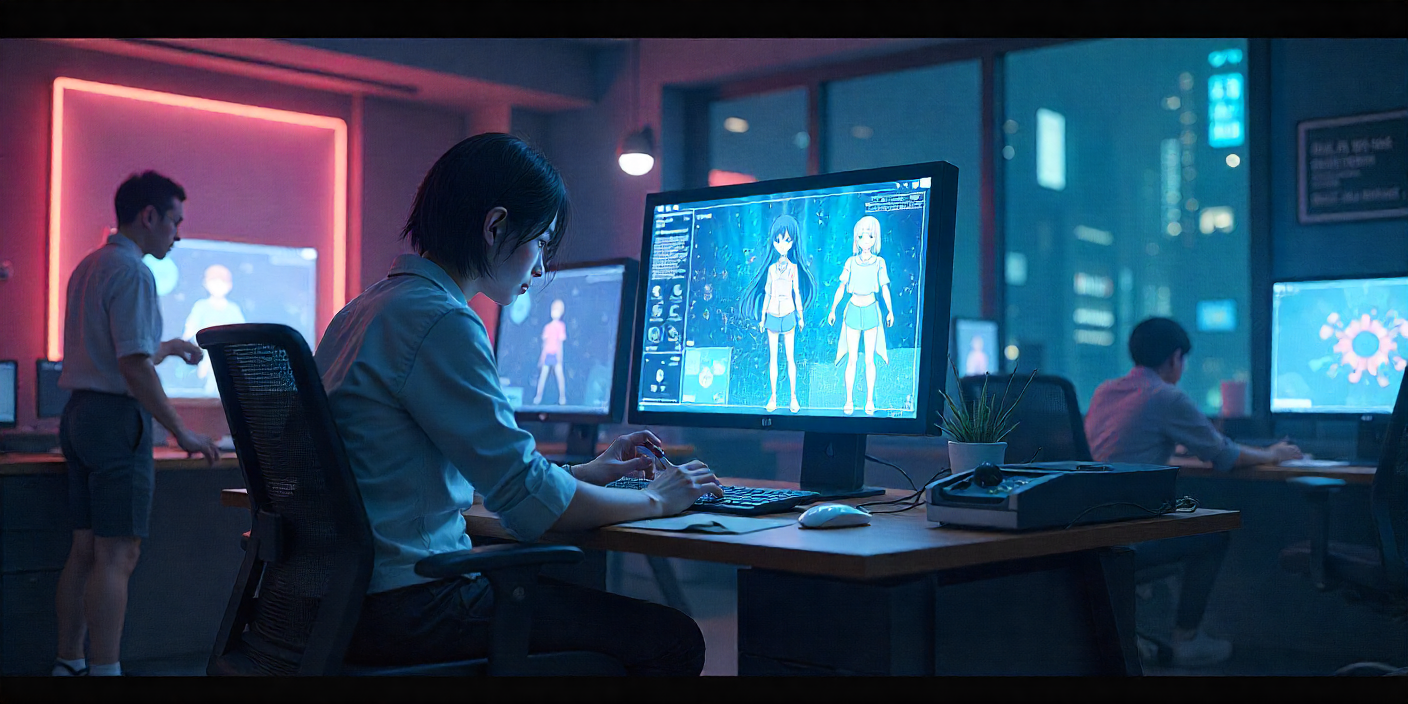
Toei Animation’s next chapter is about how AI will shape anime. The studio announced Toei Animation AI projects designed to test AI tools for coloring, backgrounds, and storyboarding. These early steps in Toei Animation digital transformation point to a new way of making anime without losing its heart.
Why Toei Animation is choosing AI
Toei faces global demand for more anime with shorter timelines. Traditional processes are slow and resource-heavy, so they turned to AI in anime production to save time and reduce cost. Management sees this shift as a way to deliver more shows while protecting profits.
Past trials with AI partners proved successful, especially in automating background generation. This early success gave Toei the confidence to expand into larger Toei Animation AI projects. By adopting these methods, Toei hopes to balance tradition with efficiency in a market where anime studios using AI are already emerging.
How AI is used in animation
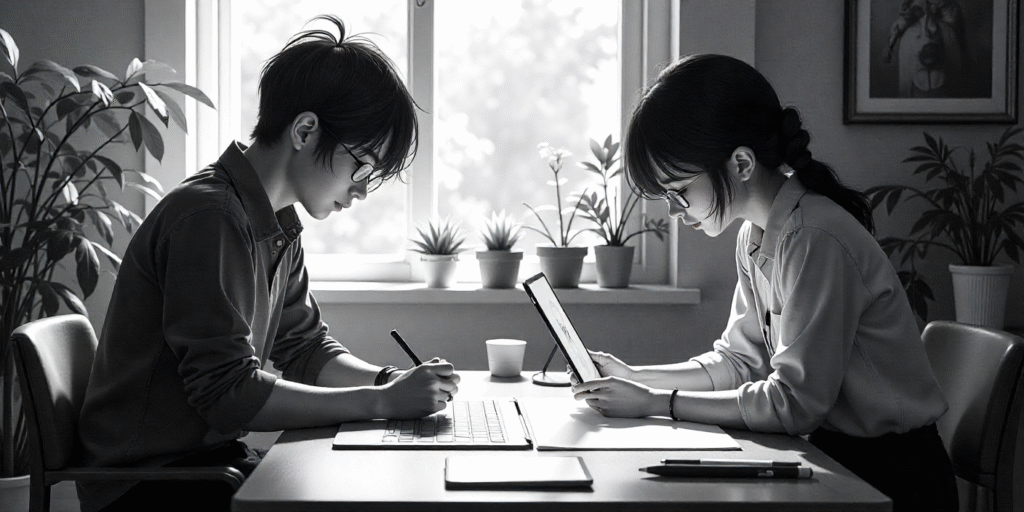
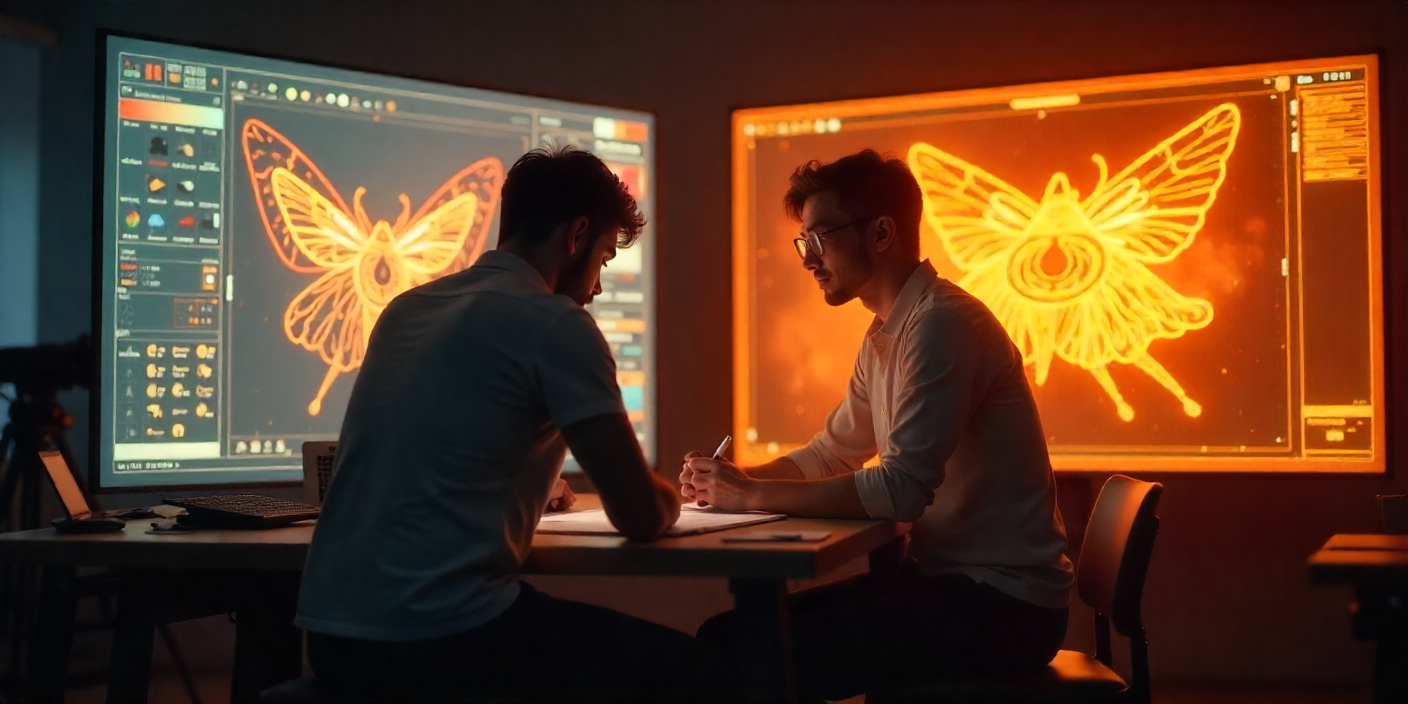
Ai tools now assist with repetitive tasks such as in-between frames, background art, and coloring. By adopting Ai-powered animation tools, Toei reduces manual labor, freeing up animators to focus on creative storytelling.This is where AI-assisted anime art provides practical value.
Some projects also test AI in storytelling and character design, helping writers draft variations faster. While AI generates options, human creators refine them. This balance between speed and control is the foundation of artificial intelligence in Japanese animation.
What this means for the animation industry
AI adoption by Toei signals change across the industry. Other studios may follow, making future of animation with AI more standardized. This could increase anime production efficiency with AI, leading to faster global releases.
Still, there’s a risk of homogenization. Heavy reliance on anime industry automation might remove unique artistic touches. To keep anime distinct, studios must use AI carefully, blending human input with machine support. This is where the debate about traditional vs AI-driven animation becomes important.
Will AI replace human artists?
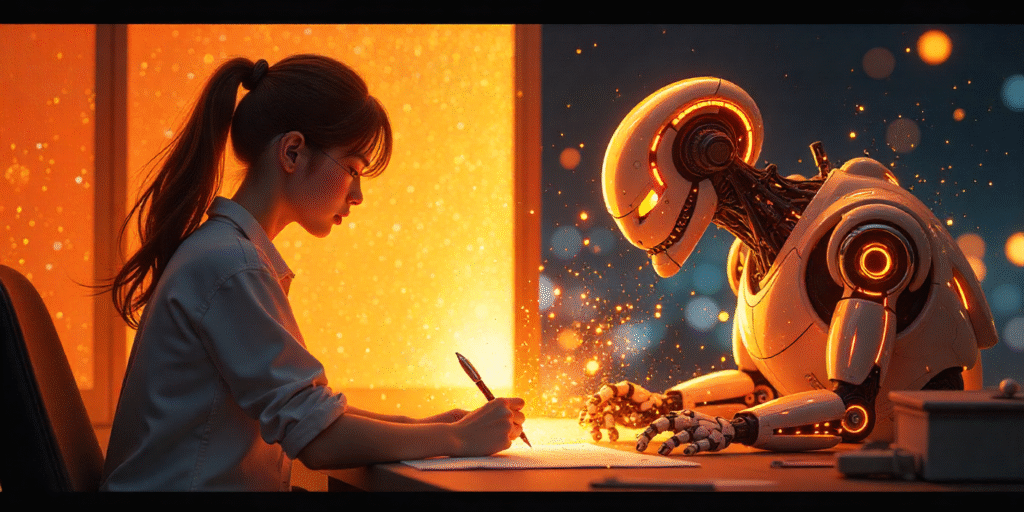
This is the key concern among fans and creators. Some worry that AI vs human creativity in anime will tilt too far toward machines, putting jobs at risk. The impact of AI on animators’ jobs is real, especially for entry-level positions.
Yet, full replacement is unlikely. While AI assists with technical work, humans bring emotion, nuance, and culture to stories. The answer to “Will AI replace anime artists?” is no, but job roles will evolve as AI becomes a permanent part of production.
The road ahead: What to expect
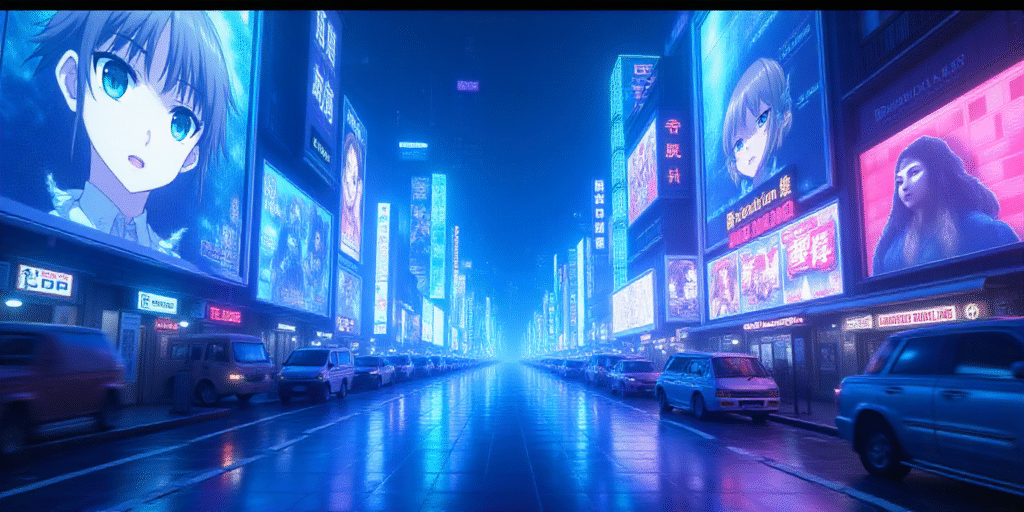
By 2025, expect larger Toei Animation innovation 2025 projects where humans and AI collaborate side by side. The company may credit both artists and AI tools for their roles in production. This mix of human talent and technology defines the future.
The future of anime industry technology could also combine AI with VR and AR, allowing fans to interact with characters inside stories. With anime production efficiency with AI, these experiences might become more frequent and immersive worldwide.
Criticism and concerns
Fans and animators have raised ethical concerns of AI in anime. Key issues include originality, copyright, and job security. Some fear that Toei embracing artificial intelligence undermines anime’s cultural identity.
Questions also remain about ownership. If a background is generated by AI, does the credit belong to the artist, studio, or the company providing the model? These unresolved issues highlight the tension between traditional vs AI-driven animation.
Final thoughts
The debate around role of AI in creative industries is not about replacing humans but redefining work. Toei Animation’s decision to adopt AI shows how technology and tradition can co-exist. The challenge is keeping the human spirit alive in every frame.
The shift toward Toei embracing artificial intelligence is both practical and symbolic. Anime will evolve, but its cultural roots will remain, as long as studios value artistry as much as efficiency.
About the Author
A writer focused on Toei Animation digital transformation and the future of animation with AI, with a passion for anime culture and technology’s role in shaping creative work.
Visual Stories
Recent Toei tests with AI-assisted anime art showed how quickly a photo can be transformed into an anime-style background. These visual experiments give fans a glimpse of what hybrid anime production looks like.
Featured In Movies
AI will not remain limited to TV. Early trials suggest that anime production efficiency with AI will influence films too, from previsualization to finished sequences. Studios can now experiment with more ambitious visuals in less time.
MORE FROM ETIMES
Check out more articles on artificial intelligence in Japanese animation and how anime studios using AI are reshaping the future of storytelling.
FAQs
Q1: What are Toei Animation AI projects?
They are experiments where Toei uses AI in anime production for backgrounds, coloring, and storyboarding. These AI-powered animation tools help speed up workflows while keeping creativity in human hands.
Q2: How is AI used in anime production today?
AI supports tasks like in-between frames and backgrounds. AI-assisted anime art saves time, while artificial intelligence in Japanese animation helps writers and designers test ideas faster.
Q3: Will AI replace anime artists?
No. AI vs human creativity in anime shows that humans remain central. Impact of AI on animators’ jobs is real, but artists guide the emotional and cultural depth AI cannot provide.
Q4: What is the future of animation with AI?
The future of animation with AI involves hybrid workflows. Toei Animation innovation 2025 points to new projects blending human and AI teams for greater anime production efficiency with AI.
Q5: What are the ethical concerns of AI in anime?
Key worries include copyright, originality, and credit. Ethical concerns of AI in anime warn of losing cultural identity if studios replace too much hand-drawn work with traditional vs AI-driven animation.








Leave a Reply