

Why choosing the right business model is important for startups
A startup’s business model is the foundation of growth. Choosing the right one can mean the difference between scaling up or shutting down. A strong model shows how your startup will create, deliver, and capture value. Without it, even the best ideas fail.
Many founders don’t ask how they will make money. They copy trends rather than build a model that works for their ideas. This is why so many startups fail. By understanding different startup revenue models early on, you can plan for growth. Instead of taking a gamble, you design a clear path to profit.
What a business model actually is
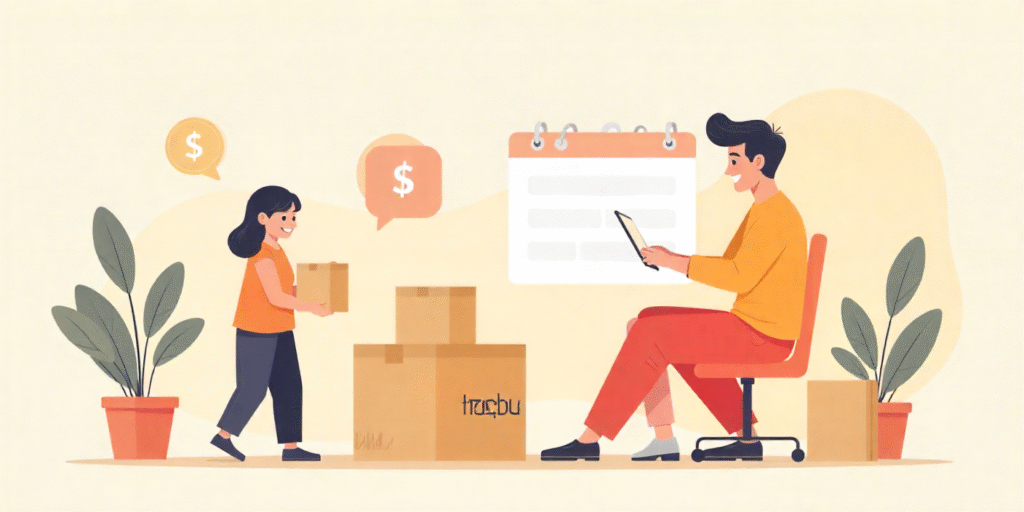
A business model is simply the plan of how your company makes money. It tells you who your customer is, what value you offer, and how cash flows back to you. Think of it as a map—it shows where money comes in, where costs go out, and what’s left as profit.
Common Mistakes Founders Make When Choosing Business Models
Founders often pick the wrong model because they chase hype. They forget about low-cost business models for entrepreneurs that can fit small teams. Some try to run before they can walk, aiming for complex digital business models for startups too early. Others fail to adapt when markets shift.
Subscription-Based Business Models for Startups
The subscription model has exploded in the past decade. Customers like predictable costs and steady value. For startups, it brings recurring income, which creates stability. If you run a small startup, this can reduce pressure because you know what revenue is coming each month.
Case studies show that companies like Netflix and Dollar Shave Club grew quickly by using subscription models. Small business owners can follow a similar path by providing specialized services such as fitness classes, meal kits, or software solutions.. The secret is to deliver something people need again and again.
Why customers love predictable value
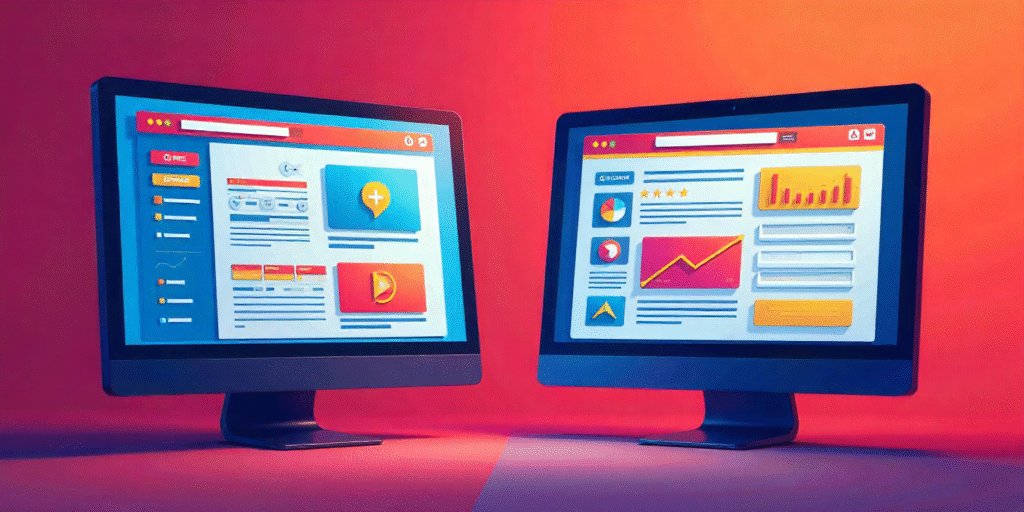
Customers enjoy paying once and getting ongoing access. It feels easy and budget friendly. That’s why the subscription model for small businesses works across many industries, from coffee delivery to online learning.
Examples of subscription startups that grew fast
Direct to consumer startup models like Birchbox or Blue Apron show the power of subscriptions. They prove that with strong branding and repeat use, even small teams can win big.
Freemium Business Models Explained
The freemium model lets people try something for free and then pay for better features. This approach works nicely for online tools, apps, and websites that offer content.s. People get hooked on free features, and when they want more, they pay. It’s a great entry for startups with low marketing budgets.
How “free first” drives user adoption
By lowering the barrier, more people try your product. It’s easier to sell later because they already trust you. This is why freemium dominates in profitable business models for beginners.
When freemium works and when it fails
It works in industries with low costs per user. It fails when every user costs you a lot. For small startups, it’s smart to run tests before scaling.
Marketplace Business Models for Entrepreneurs
Marketing platforms connect buyers and sellers without having a product. Think of a platform like Airbnb or Etsy. They act as intermediaries and thrive to make money with expenses. For startups, this will eliminate headaches from the reserve. Etsy, for example, helped artisans to cover buyers around the world. Examples of market startups show that success comes from confidence and ease of use.
Connecting buyers and sellers without owning inventory
This model lowers startup risk. You don’t spend big on products, warehouses, or shipping. Instead, you build the platform and grow the community.
Startup examples that nailed the marketplace approach
Uber, Airbnb, and Fiverr are classic cases. Their founders proved that scale comes from connections, not ownership.Direct-to-Consumer (DTC) Business ModelThe direct to consumer startup model lets you sell straight to your customer. You skip retailers and control the relationship. This gives startups freedom to tell their story and build loyalty.But the challenge is marketing. You need smart digital strategies to stand out The advertising sector costs money and competition is difficult. However, once everything is done right, DTC can quickly build strong marks. Taking an intermediate to have relationships with customers with DTC, you have data, comments and loyalty. Retailers won’t give you.
SaaS (Software as a Service) Business Model
The SaaS model powers much of today’s digital economy. It turns software into a subscription. For startups, this means predictable recurring revenue for startups and huge scaling potential.Still, SaaS requires strong tech and customer support. Beginners should focus on solving one real pain point. Simplicity often wins here.
Recurring revenue and scalability
This model creates compounding growth. Every month, more users add to the base. That’s why SaaS business models explained show massive upside.
SaaS pitfalls first-time founders should avoid
High churn kills SaaS. If people cancel fast, revenue shrinks. Good onboarding and customer care matter most.
On-Demand and Gig Economy Business Mode
This model delivers goods or services quickly through tech. Customers love convenience. Startups win by solving pain points like rides, meals, or tasks
The gig economy startups thrive by giving flexibility to both workers and customers. Still, regulation and costs can be thoughtSolving real problems with speed and convenienceOn-demand works best where time matters most. People pay for faster food, transport, or cleaning.
Why small startups can compete in this space
You don’t need scale to start. Local focus often beats global reach early.
Hybrid Business Models
Some startups mix models to find balance. For example, you can blend subscription and marketplace. Hybrids allow flexibility and resilience.Case studies show hybrid business model examples like Amazon combining retail, cloud, and streaming. Startups can do the same on a smaller scaleMixing models to find the right balanceThe key is not to overcomplicate. Pick two that fit your product and test carefully

Real-world startup examples of hybrid success
Amazon, Apple, and Shopify show that mixing models builds multiple income streams.
How to Decide Which Business Model Fits Your Startup
The right model depends on your product, market, and resources. There’s no universal fit. Ask: Who is my customer? What problem do I solve? How do I keep them paying?
A simple table helps compare models:
| Model | Best For | Risk | Example |
| Subscription | Services, digital | Low churn | Netflix |
| Freemium | Apps, software | Low conversion | Spotify |
| Marketplace | Products, services | Platform growth | Etsy |
| DTC | Brands | Ad costs | Warby Parker |
| SaaS | Software | High churn | Slack |










Leave a Reply